

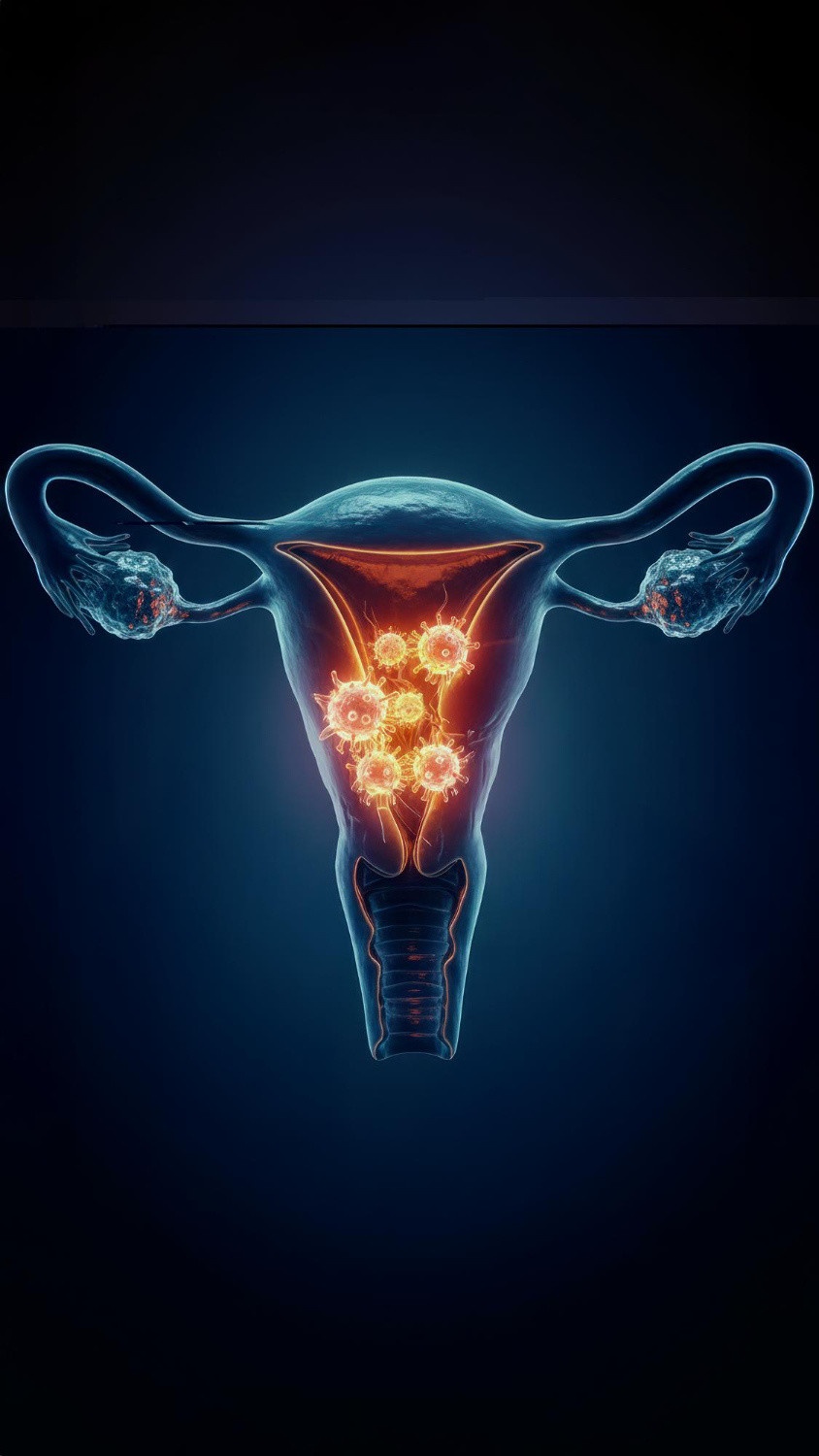
Advanced Solutions for Uterine Adenomyosis
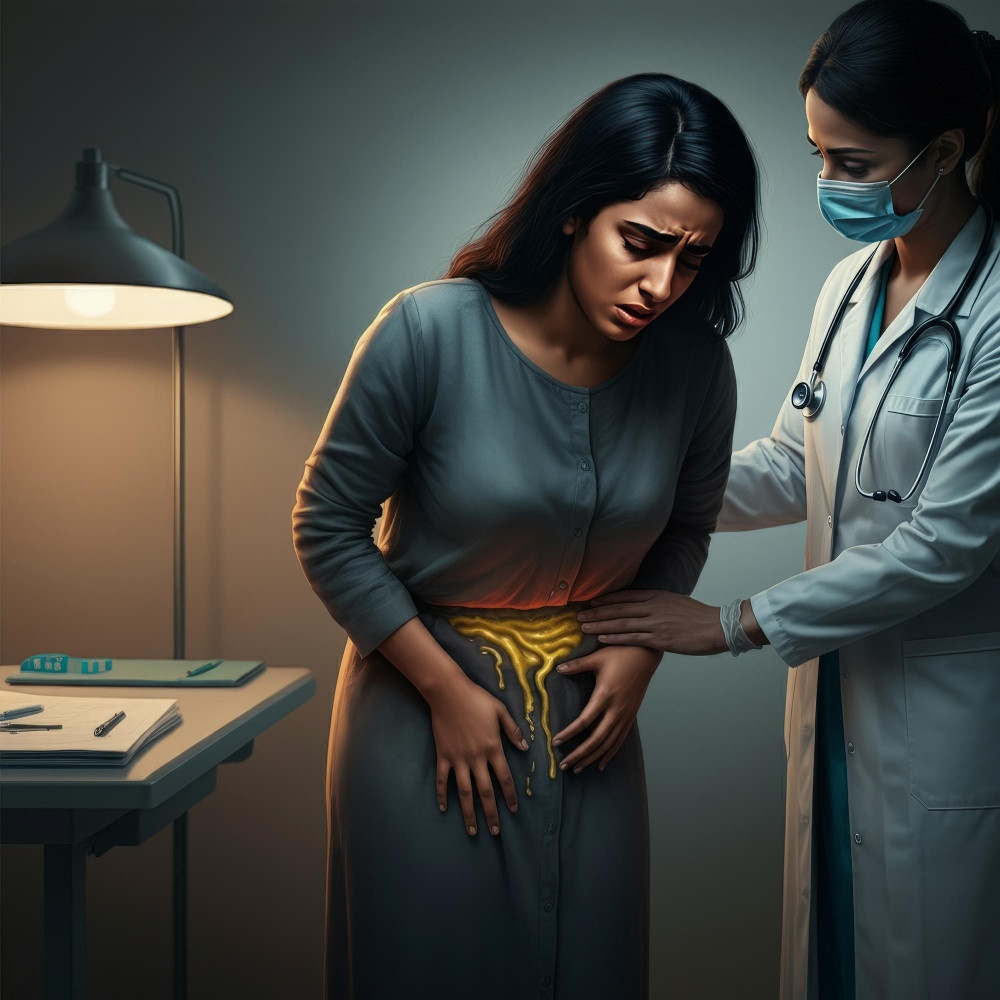
Adenomyosis is a condition where the inner lining of the uterus (endometrium) breaks through the muscle wall of the uterus (myometrium). This often results in an enlarged, "boggy" uterus and can cause debilitating symptoms such as severe menstrual cramping and heavy, prolonged bleeding. While it is sometimes confused with uterine fibroids, Adenomyosis requires a specific diagnostic approach and specialized treatment protocols.
Dr. Smitha provides expert management for Adenomyosis, focusing on pain relief and restoring quality of life. Our clinic offers a variety of treatment pathways, ranging from hormonal management and specialized IUCDs to advanced laparoscopic surgery for more severe cases. We work closely with each patient to find a solution that balances symptom control with their personal health goals.
Common Symptoms
- Heavy or Prolonged Bleeding
- Severe Menstrual Cramping
- Chronic Pelvic Pain
- Pain During Intercourse
- Enlarged or Tender Uterus
- Pressure in the Abdomen
- Blood Clots During Menses
- Lower Back Pain
- Leg Pain (Sciatica-like)
- Anemia & Fatigue
- Difficulty Conceiving
- Bloating & Heavy Feeling
Our Treatment Approach
Hormonal Suppression
Using specialized medications or hormonal IUCDs to thin the uterine lining and significantly reduce bleeding and pain.
Uterine Sparing Surgery
For patients wishing to preserve the uterus, specialized laparoscopic techniques can sometimes be used to remove localized adenomyotic tissue.
Definitive Care
In severe cases where family planning is complete, a laparoscopic hysterectomy provides a permanent and effective cure for adenomyosis.
Diagnostic Gallery
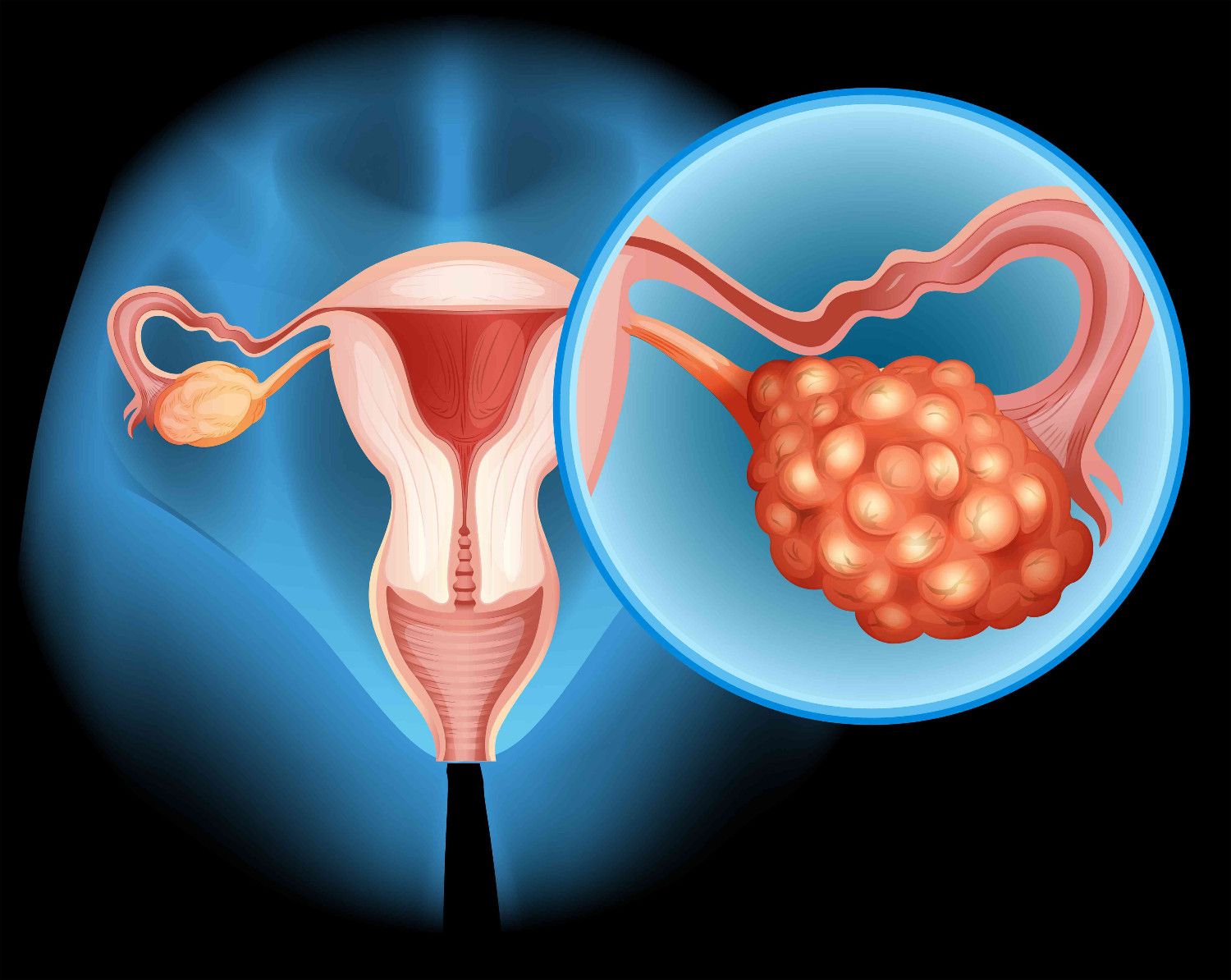
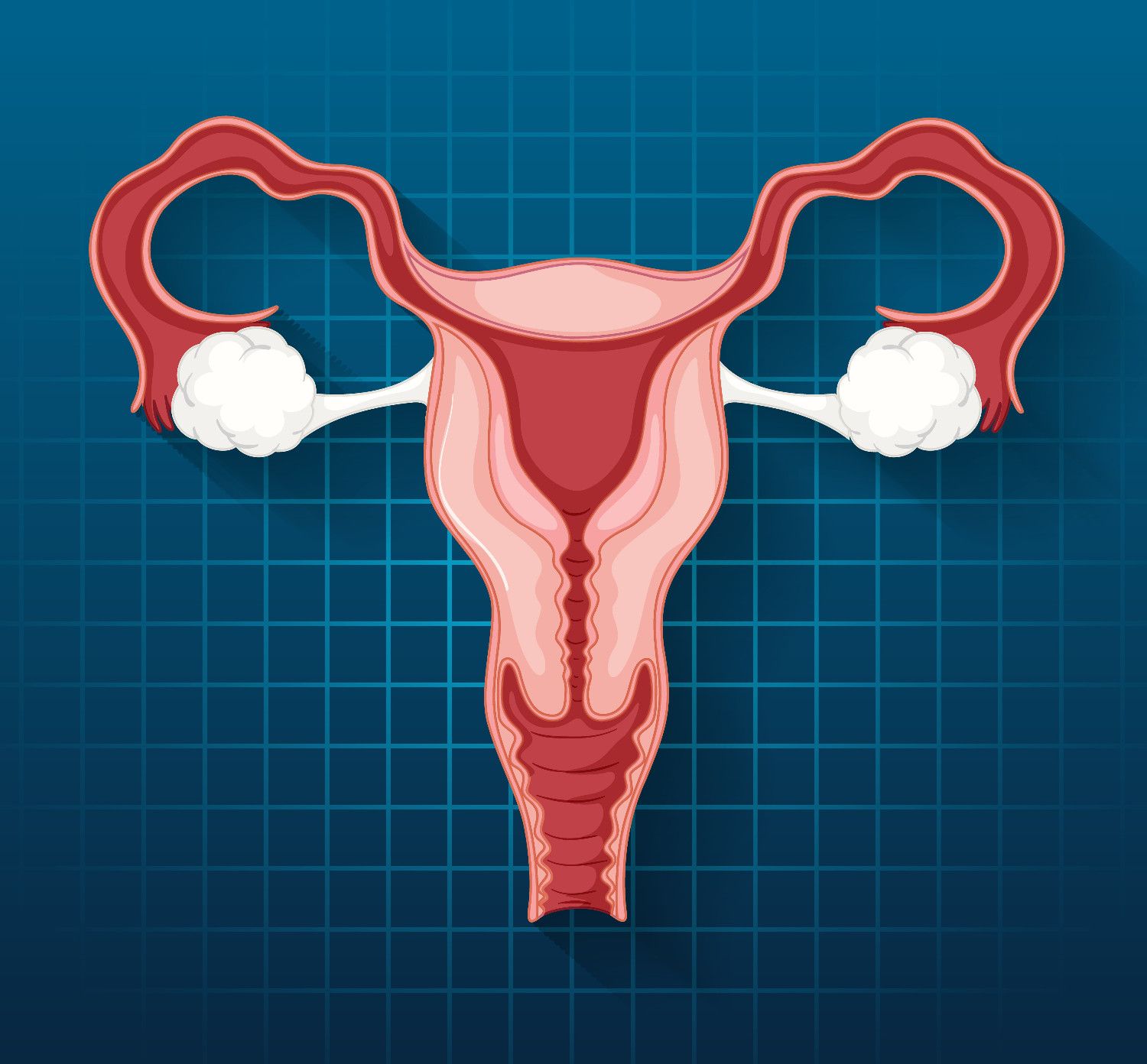
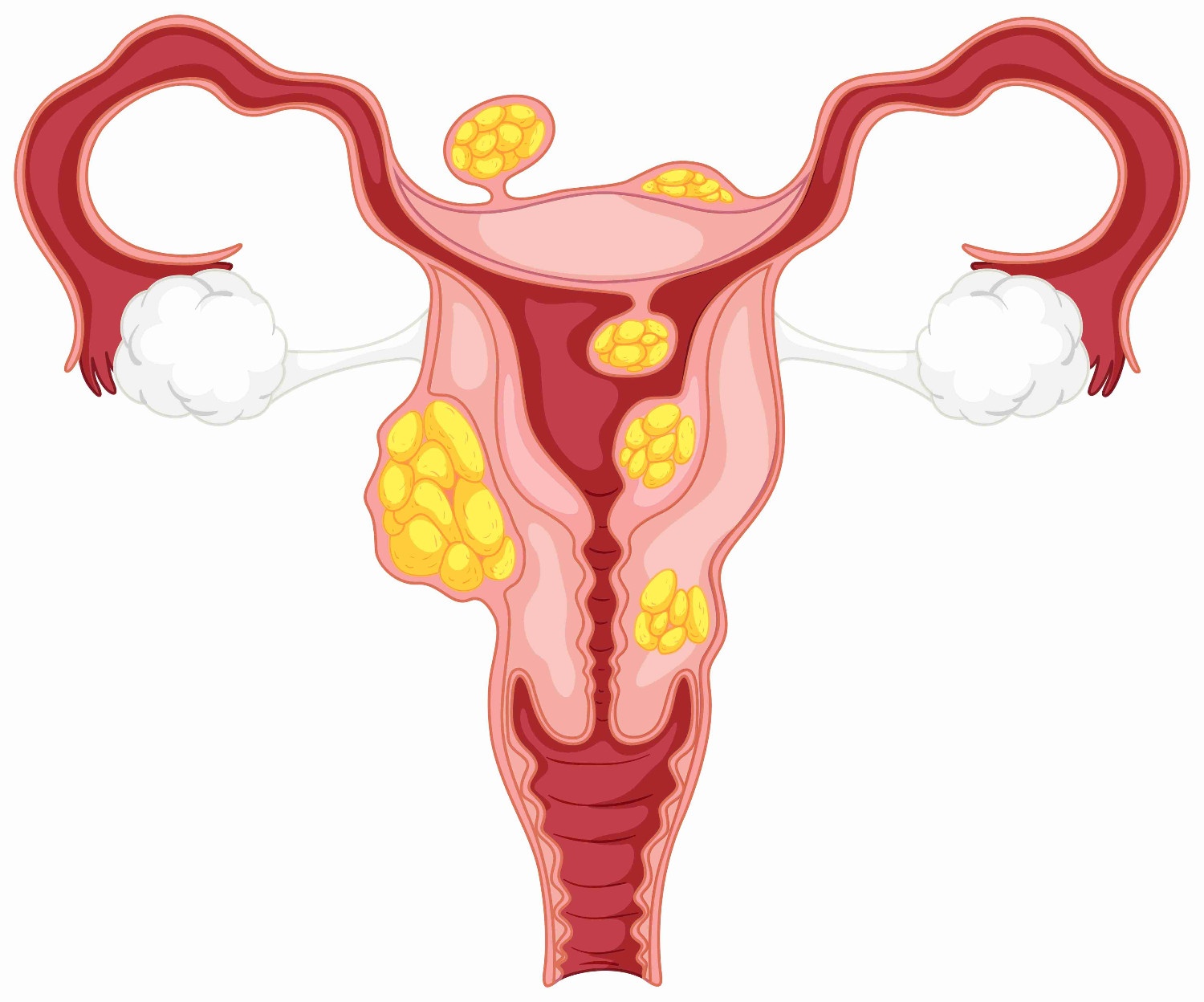
We utilize high-resolution imaging to identify the subtle markers of adenomyosis, such as a thickened junctional zone.
Adenomyosis FAQ
Professional insights into managing this complex uterine condition.
While related, they are different. Endometriosis occurs when the uterine lining grows *outside* the uterus (on ovaries or tubes). Adenomyosis occurs when that lining grows *into* the muscle wall of the uterus itself.
It can. Adenomyosis can interfere with embryo implantation and the healthy function of the uterus. However, with proper hormonal management or specialized surgery, many women can still conceive successfully.
Yes, in most cases. An experienced gynaecologist can identify signs of adenomyosis on a high-resolution ultrasound by looking for a thickened uterine wall, asymmetrical growth, or small cystic areas within the muscle.