

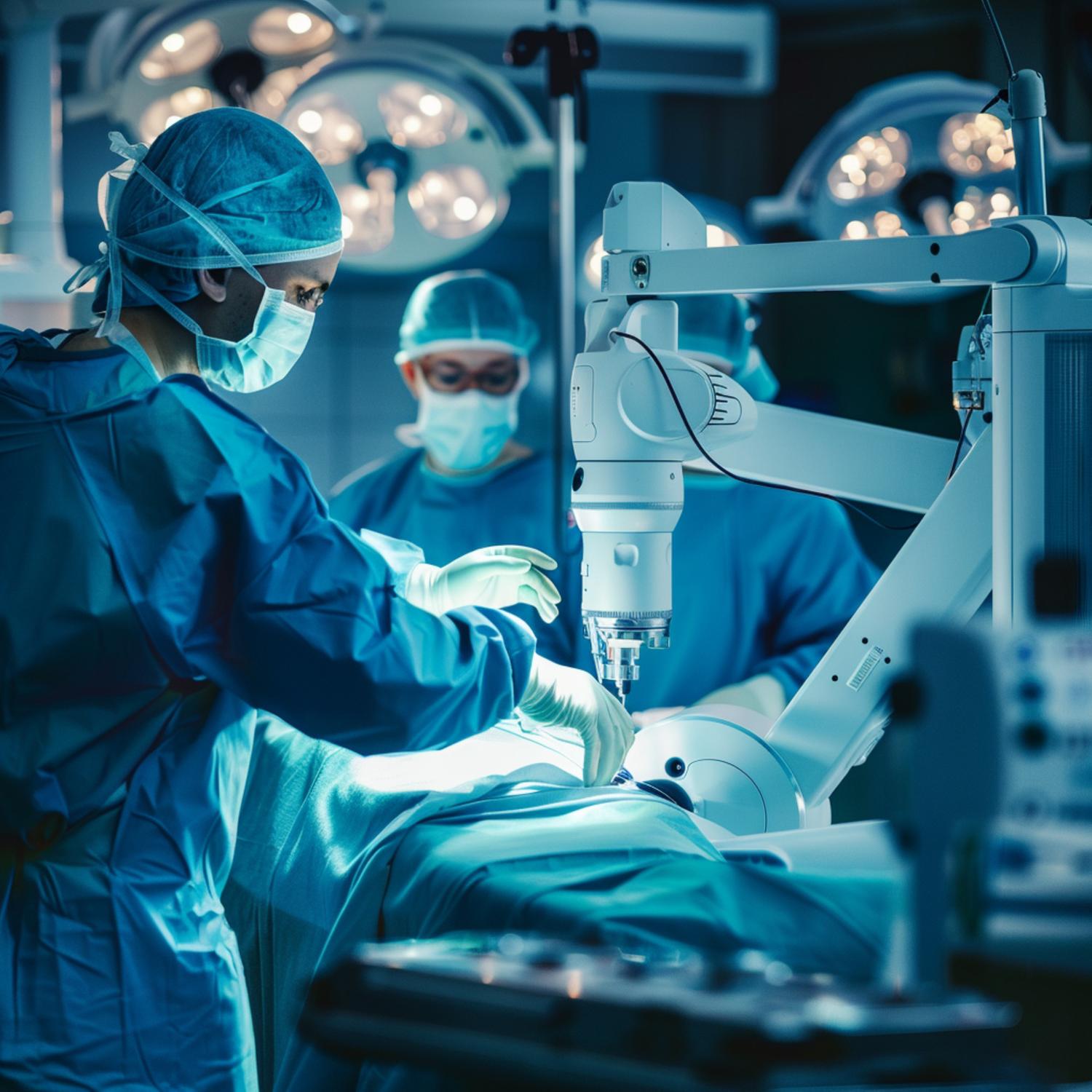
Advanced Keyhole Surgical Solutions
Laparoscopy, often referred to as "keyhole surgery," is a modern surgical technique that allows Dr. Smitha to perform complex gynaecological procedures through tiny, 5-10mm incisions. By using a high-definition laparoscope (a thin tube with a camera), we can visualize the pelvic organs with incredible clarity, leading to higher surgical precision and significantly better patient outcomes compared to traditional open surgery.
Whether it is for diagnosing chronic pelvic pain or performing an operative procedure like cyst removal or hysterectomy, laparoscopy is the preferred choice for modern women. It offers the dual benefits of minimal scarring and a remarkably fast recovery, allowing most patients to return to their homes and daily routines within 24 to 48 hours.
Procedures Performed
- Diagnostic Laparoscopy
- Ovarian Cystectomy
- Fibroid Removal (Myomectomy)
- Total Laparoscopic Hysterectomy
- Endometriosis Ablation
- Tubal Ligation (Sterilization)
- Ectopic Pregnancy Management
- Adhesiolysis (Scar Tissue Removal)
- Fertility Enhancing Surgery
- Minimal Blood Loss
- Tiny, Aesthetic Incisions
- Short Hospital Stay
Why Choose Laparoscopy?
Minimal Pain & Scarring
Small incisions mean less trauma to the abdominal wall, resulting in much less post-operative pain and almost invisible scars.
Rapid Recovery
Patients typically experience a faster return of bowel function and are able to walk and perform light activities within a day.
Reduced Infection Risk
Smaller incisions and less exposure of internal organs to the environment significantly lower the risk of hospital-acquired infections.
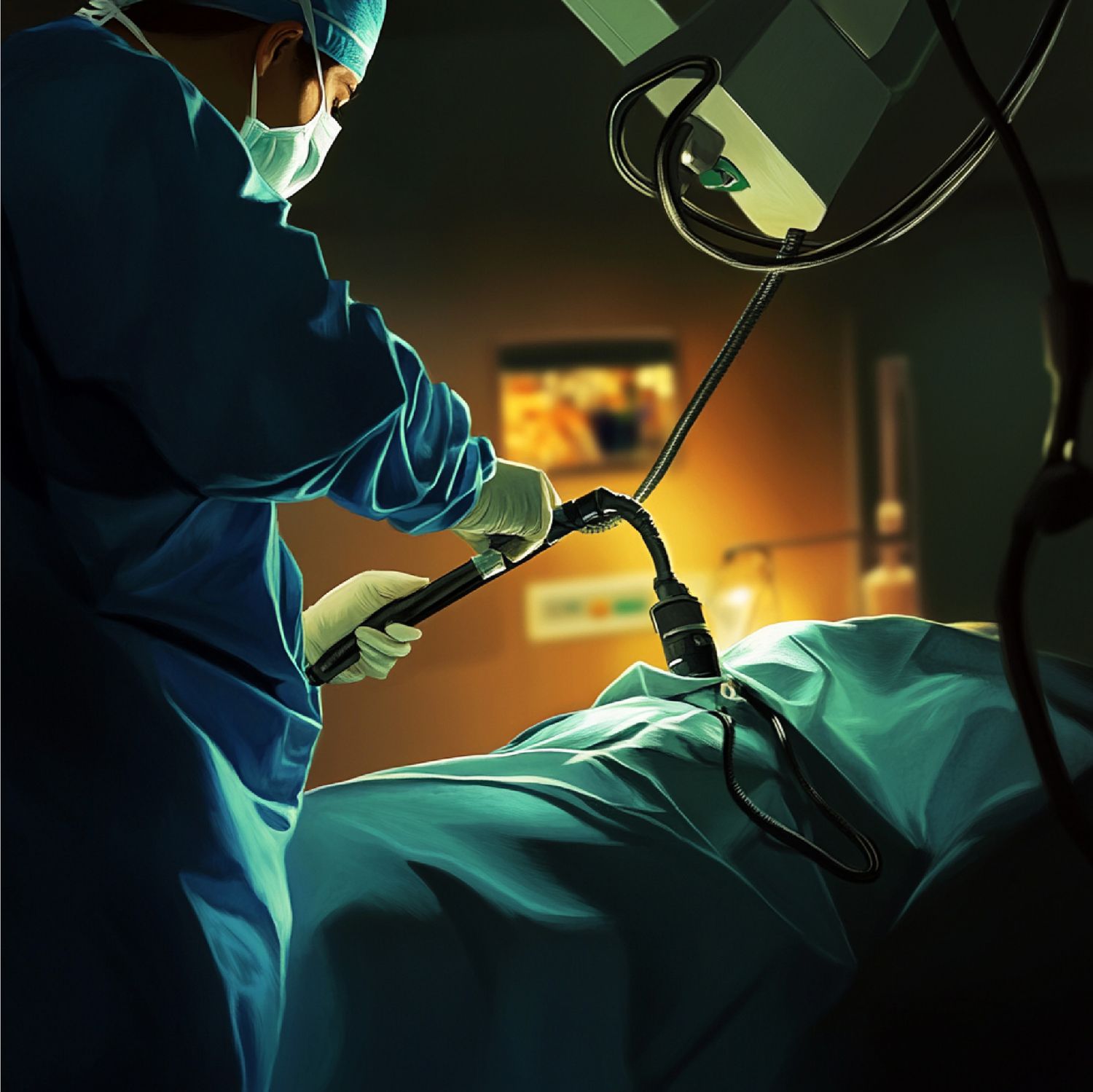
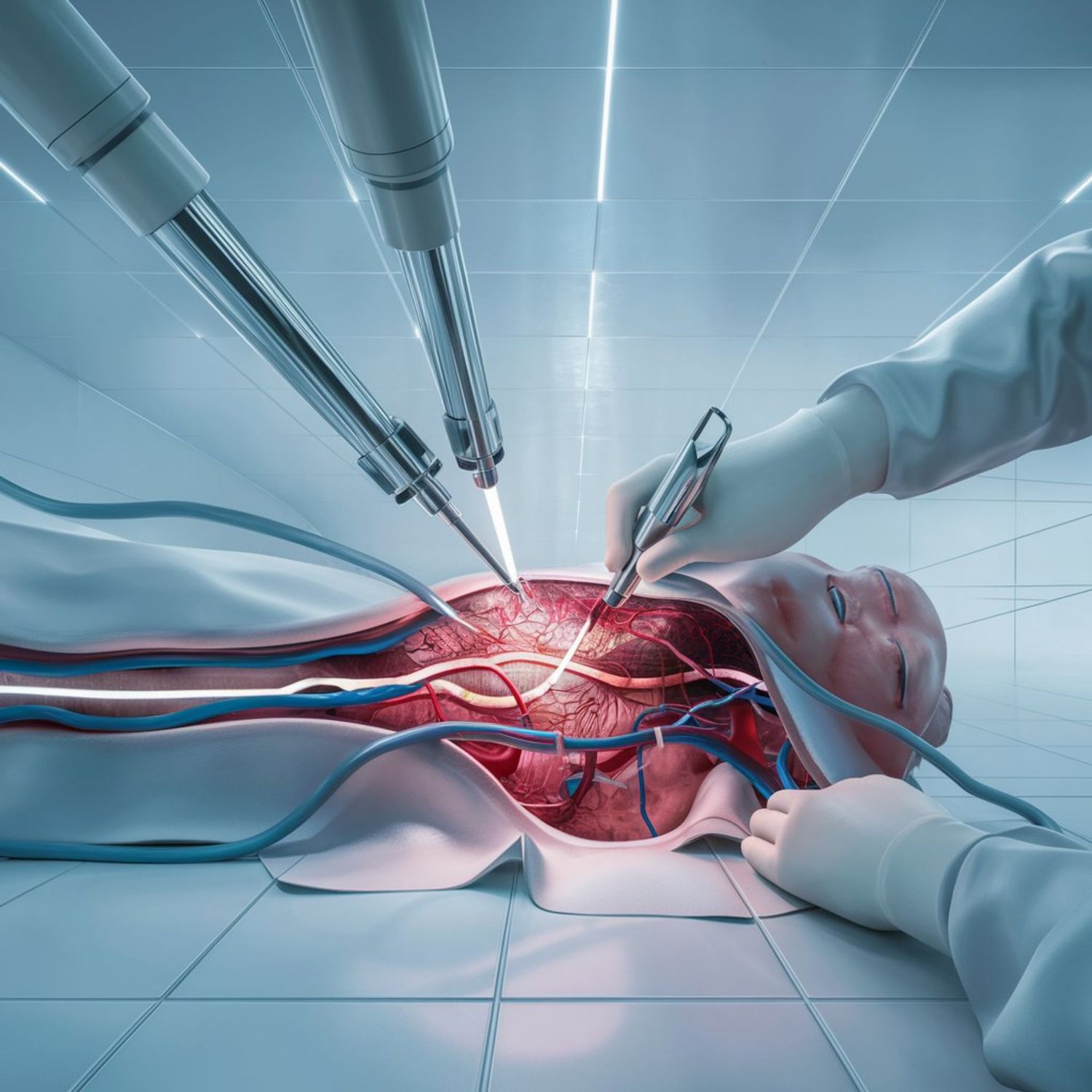
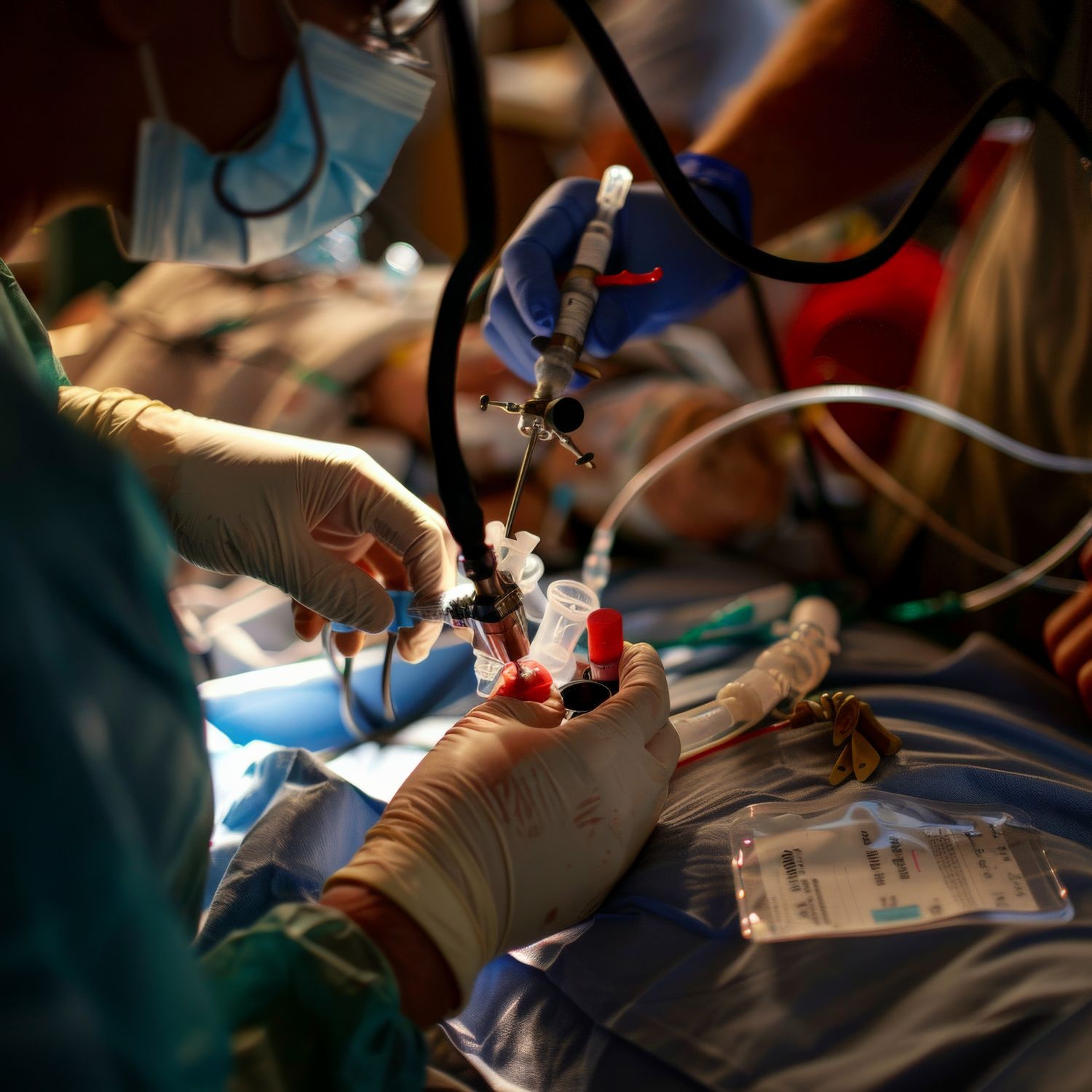
Surgical Gallery
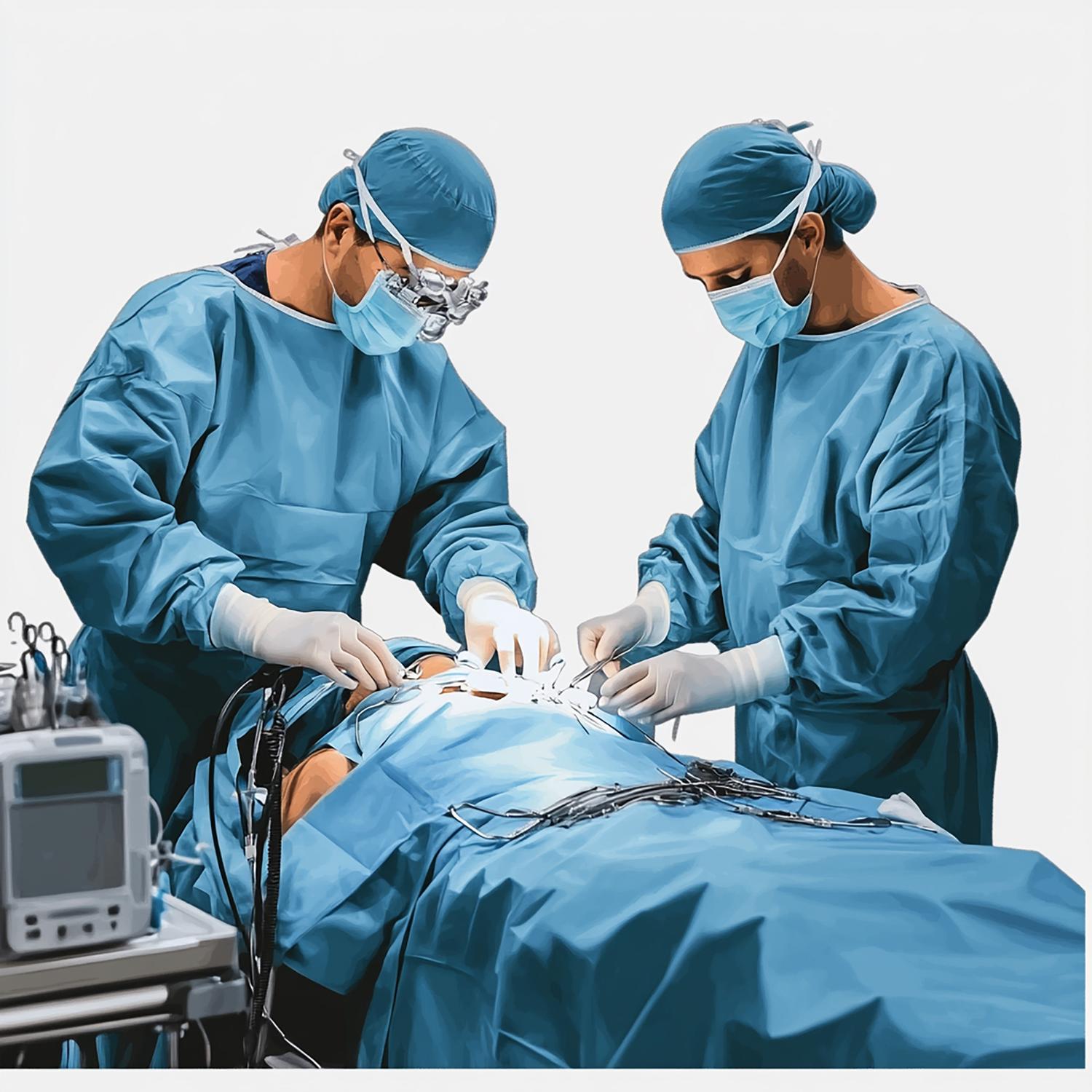
Our Moosapet facility features a state-of-the-art modular OT equipped with the latest 4K Laparoscopic stack.
Laparoscopy FAQ
Professional insights into the most common questions about keyhole surgery.
For diagnostic or minor operative laparoscopy, you may go home the same evening. For major surgeries like a hysterectomy, a 24-hour stay is usually required to ensure a safe initial recovery.
In most cases, the results are actually better. The magnified 4K view allows Dr. Smitha to see finer details and nerves that might be missed in open surgery, leading to more precise tissue handling and less blood loss.
You can usually resume light walking within 48 hours. However, we recommend waiting 2–4 weeks for moderate exercise and 6 weeks for heavy lifting or intense core workouts, depending on the specific procedure performed.