

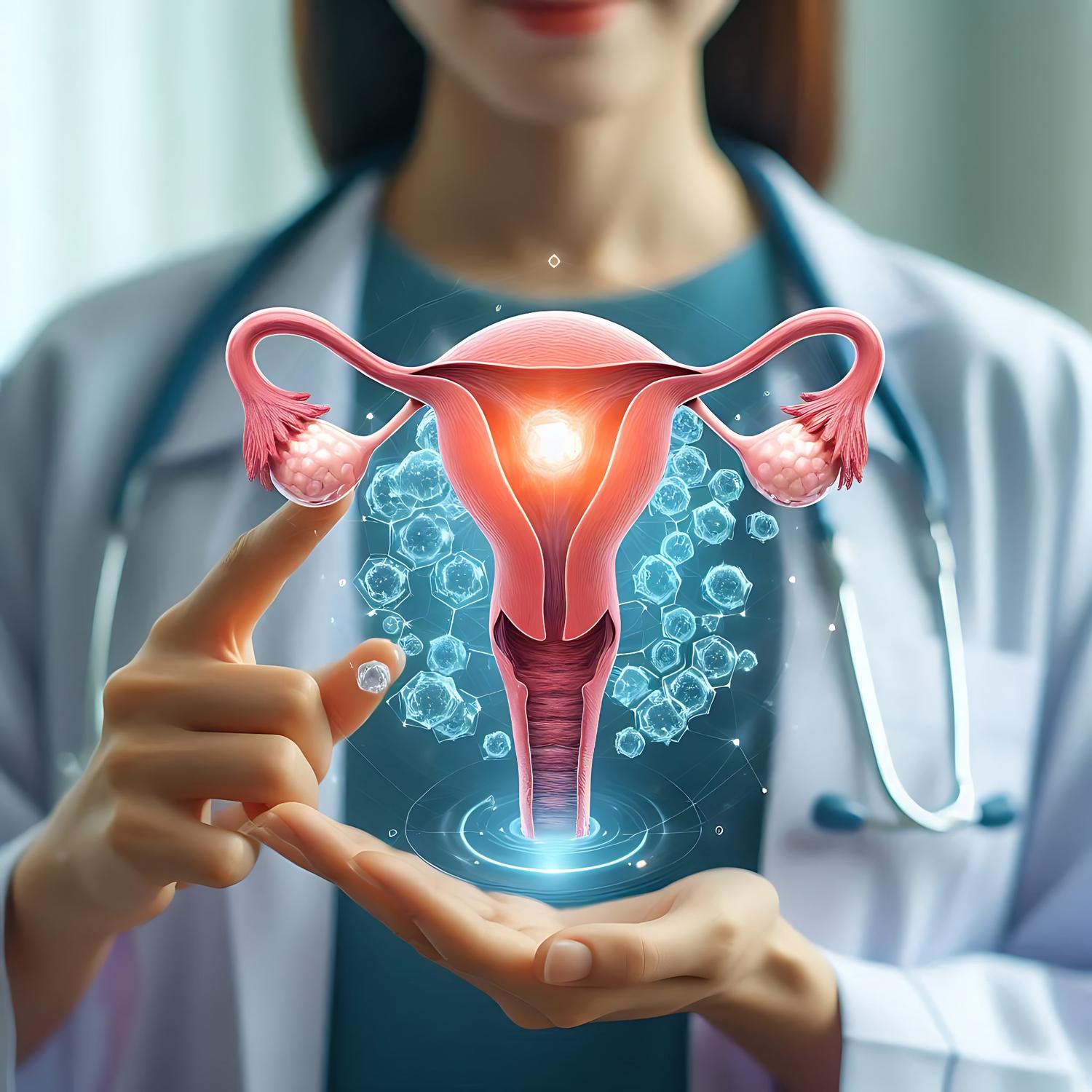
Specialized Care for Uterine Leiomyomas
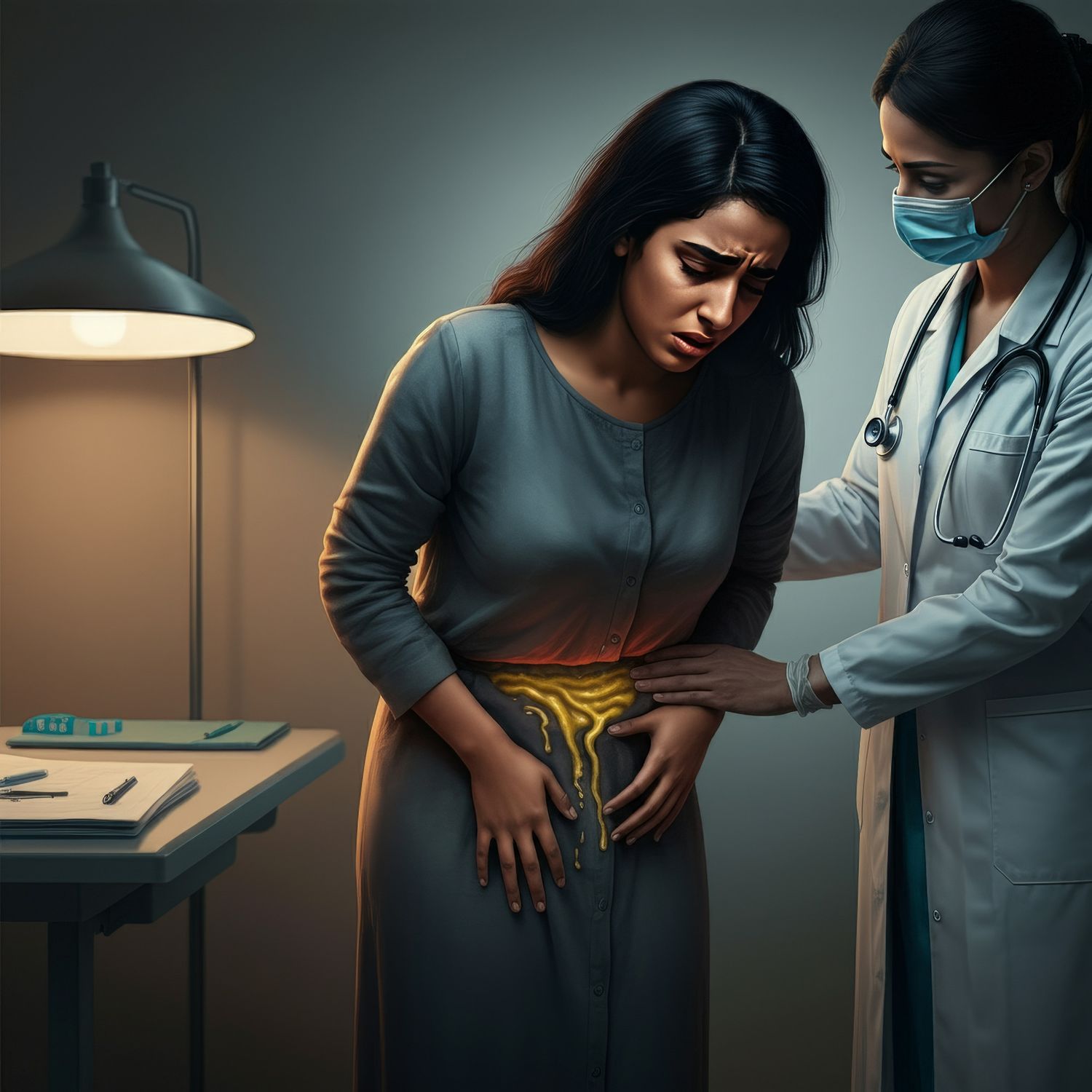
Uterine fibroids, also known as leiomyomas, are non-cancerous growths of the uterus that often appear during childbearing years. While many fibroids are asymptomatic, for some women they can cause significant health challenges, including heavy menstrual bleeding, pelvic pressure, and fertility issues. At our clinic, Dr. Smitha provides a comprehensive evaluation to determine the size, location, and impact of these growths on your overall health.
Our management philosophy is patient-centric, offering a spectrum of care ranging from "watchful waiting" and medical therapy to advanced minimally invasive surgeries. We prioritize uterine preservation whenever possible, utilizing laparoscopic and hysteroscopic techniques to remove fibroids while ensuring a faster recovery and minimal physical trauma.
Common Symptoms
- Heavy Menstrual Bleeding
- Periods Lasting Over a Week
- Pelvic Pressure or Pain
- Frequent Urination
- Difficulty Emptying Bladder
- Constipation or Bloating
- Backache or Leg Pains
- Pain During Intercourse
- Abdominal Swelling
- Anemia Due to Blood Loss
- Infertility Concerns
- Recurrent Miscarriages
Treatment Options
Medical Management
Hormonal therapies (GnRH agonists, oral contraceptives) to regulate cycles and shrink fibroids before a potential surgery.
Laparoscopic Myomectomy
A minimally invasive surgical removal of fibroids through tiny incisions, preserving the uterus for future pregnancies.
Total Hysterectomy
In cases of multiple, large fibroids where family planning is complete, a laparoscopic hysterectomy may be the definitive solution.
Clinical Gallery
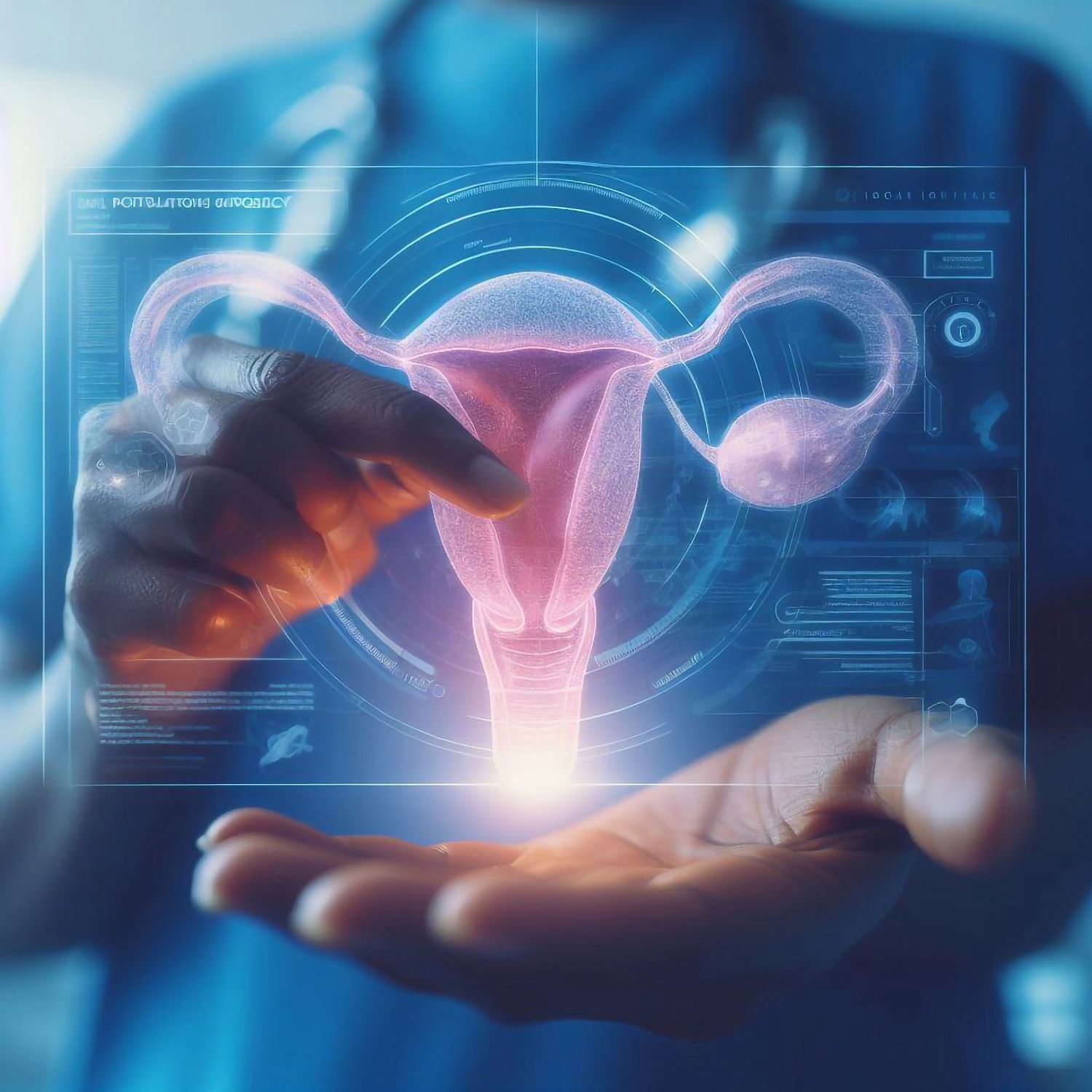
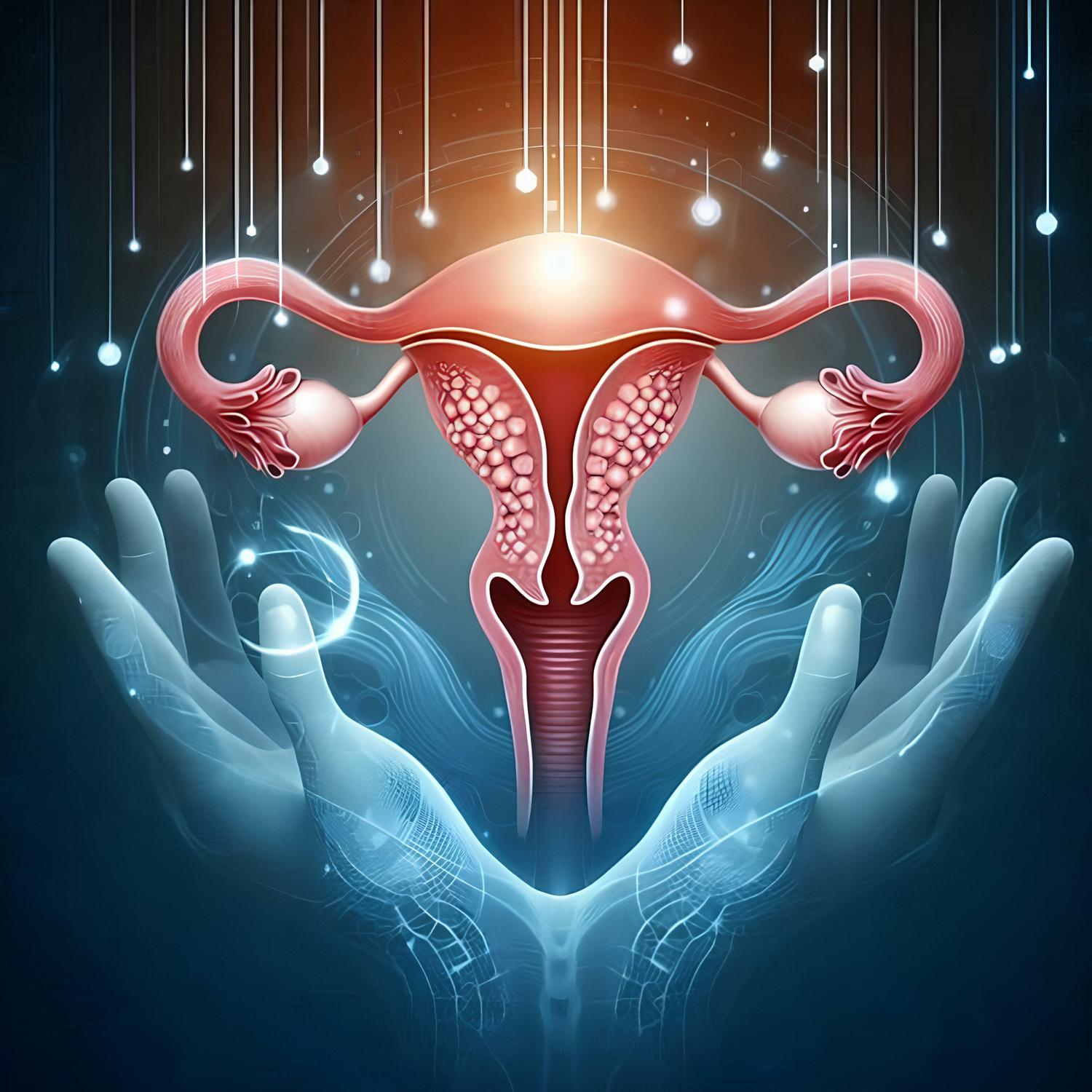
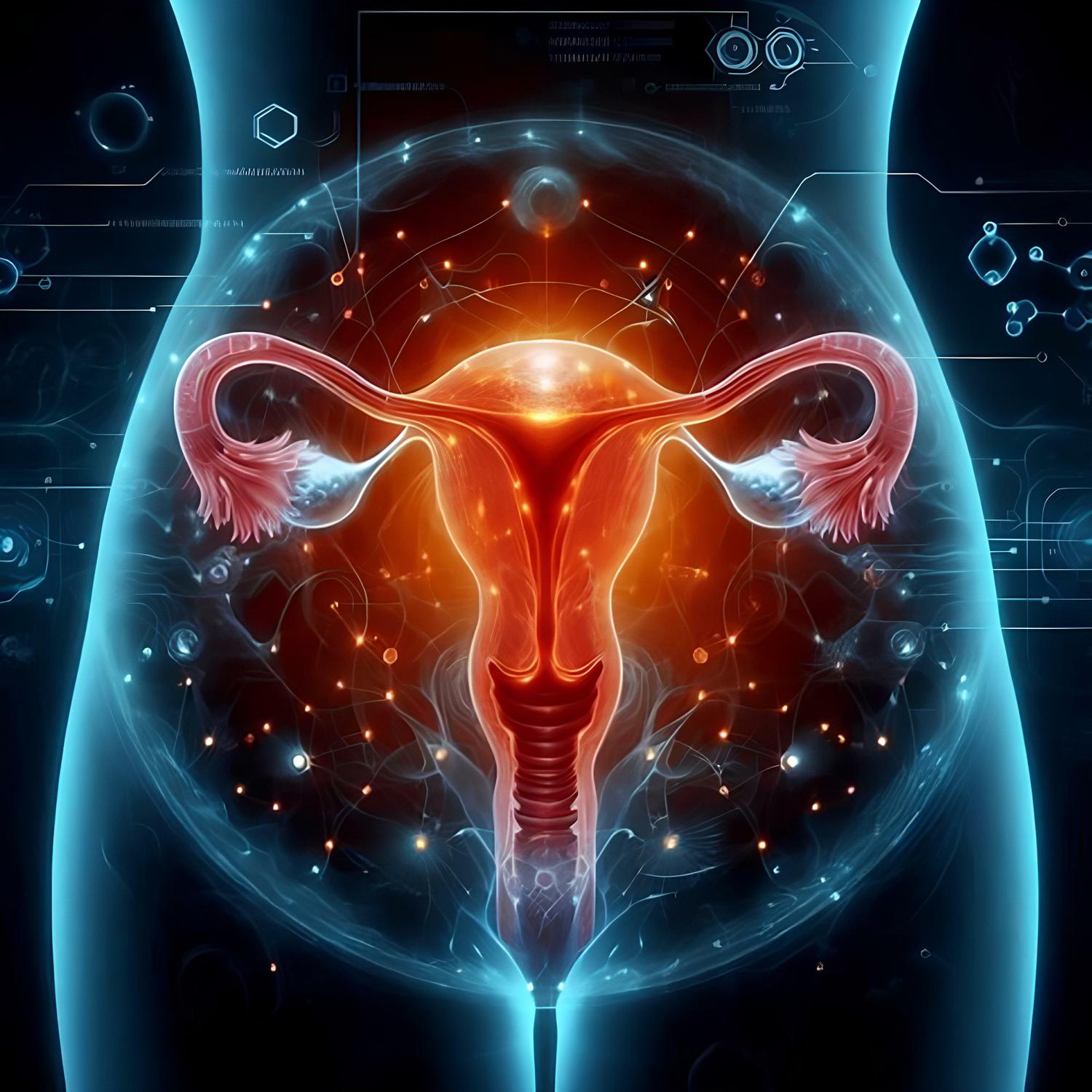
Our facility uses advanced 3D ultrasound and laparoscopic stacks to map and treat fibroids with high precision.
Fibroids FAQ
Common questions about the diagnosis and management of uterine leiomyomas.
Uterine fibroids are almost always benign (non-cancerous). The chance of a fibroid being cancerous (leiomyosarcoma) is extremely low, occurring in less than 1 in 1,000 cases. However, rapid growth is always monitored closely.
No. Small fibroids that do not cause symptoms often just require periodic monitoring. Surgery is typically recommended only if fibroids cause severe bleeding, pain, or interfere with fertility.
Because it is a minimally invasive "keyhole" procedure, most women return to light desk work within 1 to 2 weeks. Full physical activity and exercise can usually be resumed in 4 to 6 weeks.