

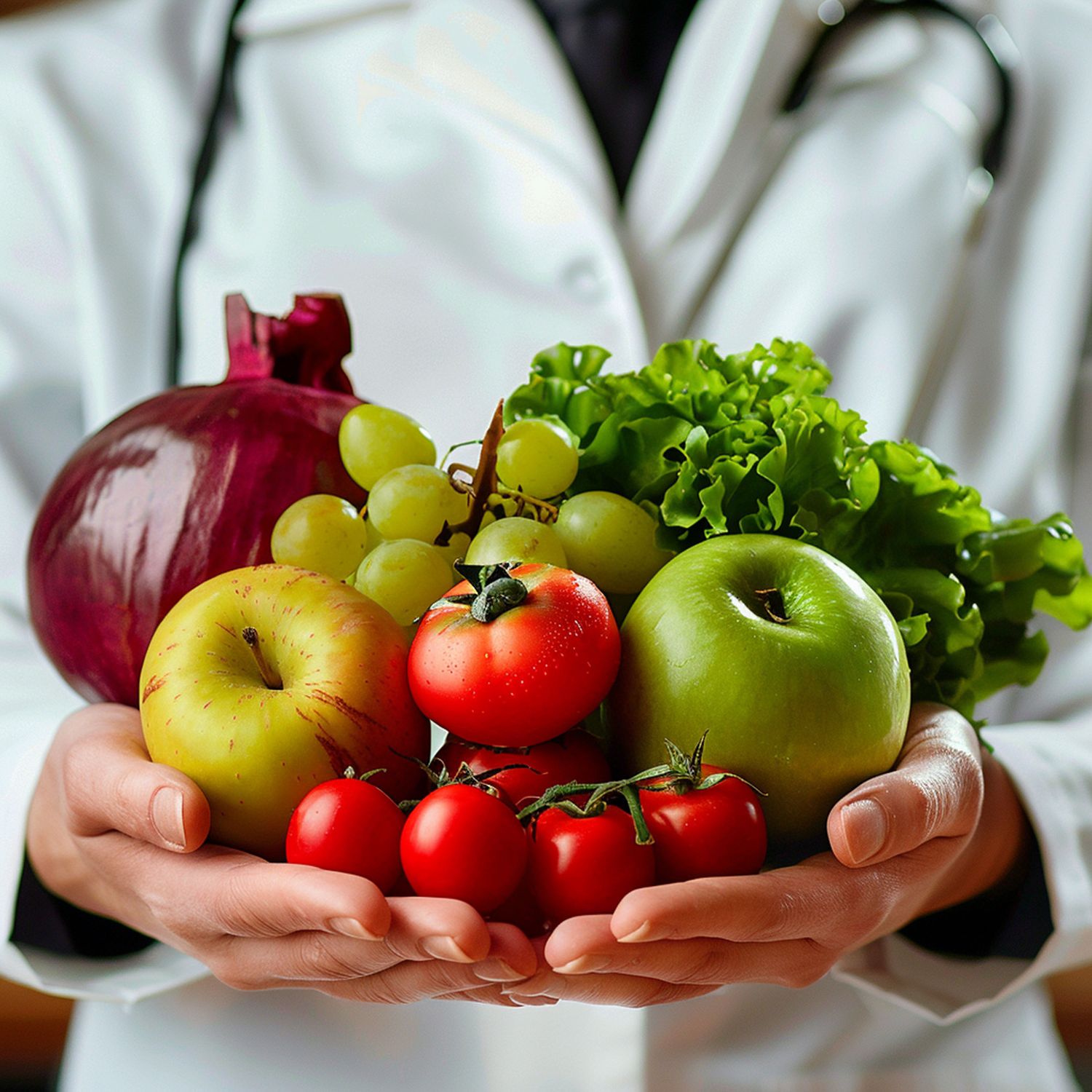
Fueling Your Health Through Every Stage
At Dr. Smitha's clinic, we believe that nutrition is the foundation of gynaecological and reproductive wellness. A woman's nutritional needs shift significantly throughout her life—from the metabolic requirements of managing PCOS and the increased demands of pregnancy to the bone-density focus needed during menopause. We provide evidence-based nutritional counseling that moves beyond "dieting" to focus on sustainable, life-enhancing nourishment.
Our approach integrates clinical data, such as your hormonal profile and blood sugar levels, with your daily lifestyle. We work with you to create a personalized nutrition roadmap that supports your medical treatment, boosts your energy levels, and empowers you to take control of your long-term health through the power of food.
Specialized Nutritional Plans
- PCOS & Insulin Resistance Diets
- Prenatal & Pregnancy Nutrition
- Postnatal Recovery & Lactation
- Fertility Boosting Meal Plans
- Weight Management Strategies
- Hormone-Balancing Nutrition
- Bone Health & Menopause Diet
- Anemia & Iron-Rich Planning
- Anti-Inflammatory Protocols
- Endometriosis Symptom Support
- Metabolic Health Screening
- Sustainable Lifestyle Coaching
Our Wellness Framework
Metabolic Assessment
We analyze your BMI, body composition, and relevant blood markers to understand your body's specific nutritional starting point.
Personalized Charting
Dr. Smitha provides a customized diet chart that fits your cultural preferences, work schedule, and health goals.
Progress Monitoring
Regular follow-ups to adjust your plan as your health improves, ensuring your nutrition evolves with your needs.
Wellness Gallery
We combine medical expertise with holistic lifestyle guidance to ensure your complete well-being.




Nutrition FAQ
Common questions about using food as a medical tool for women's health.
PCOS is often driven by insulin resistance. A diet focused on low-glycemic index foods, adequate fiber, and healthy fats helps stabilize blood sugar levels, which in turn reduces androgen production and helps restore regular ovulation.
While a varied diet is best, we focus on ensuring adequate intake of Folic Acid (for neural tube development), Iron (to prevent anemia), Calcium (for baby's bone growth), and DHA (for brain development). We customize these based on your blood work.
Yes. Anti-inflammatory foods rich in Omega-3 fatty acids, magnesium, and antioxidants can help reduce the production of prostaglandins, which are the chemicals responsible for painful uterine contractions and cramping.