

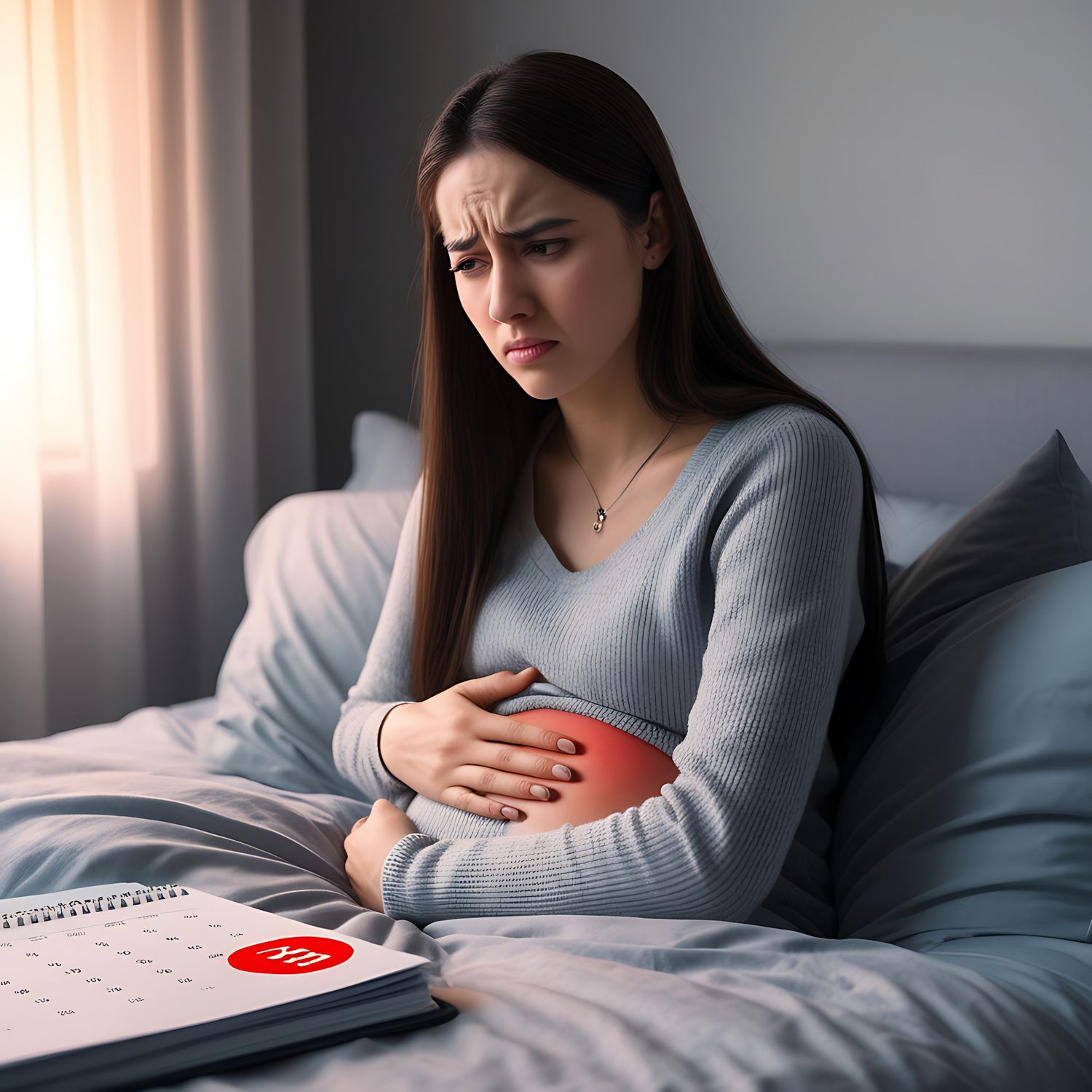
Restoring Your Natural Cycle & Quality of Life
Menstrual disorders can range from mildly inconvenient to severely debilitating, affecting your physical health, emotional well-being, and daily productivity. Whether you are experiencing excessively heavy periods, irregular cycles, or severe pain, these symptoms are often the body's way of signaling an underlying hormonal or structural issue. At our clinic, Dr. Smitha specializes in identifying the root cause of these disruptions through a combination of clinical history and advanced diagnostics.
We provide a wide array of treatments tailored to your specific condition and life stage. From hormonal regulation and lifestyle modifications to minimally invasive procedures for fibroids or polyps, our goal is to normalize your menstrual health and alleviate the symptoms that hold you back from living your life to the fullest.
Conditions We Manage
- Menorrhagia (Heavy Bleeding)
- Dysmenorrhea (Painful Periods)
- Oligomenorrhea (Infrequent Periods)
- Amenorrhea (Absence of Periods)
- Premenstrual Syndrome (PMS)
- Polycystic Ovary Syndrome (PCOS)
- Uterine Polyps & Fibroids
- Endometriosis-related Pain
- Hormonal Imbalances
- Perimenopausal Irregularity
- Thyroid-related Cycle Issues
- Post-menopausal Bleeding
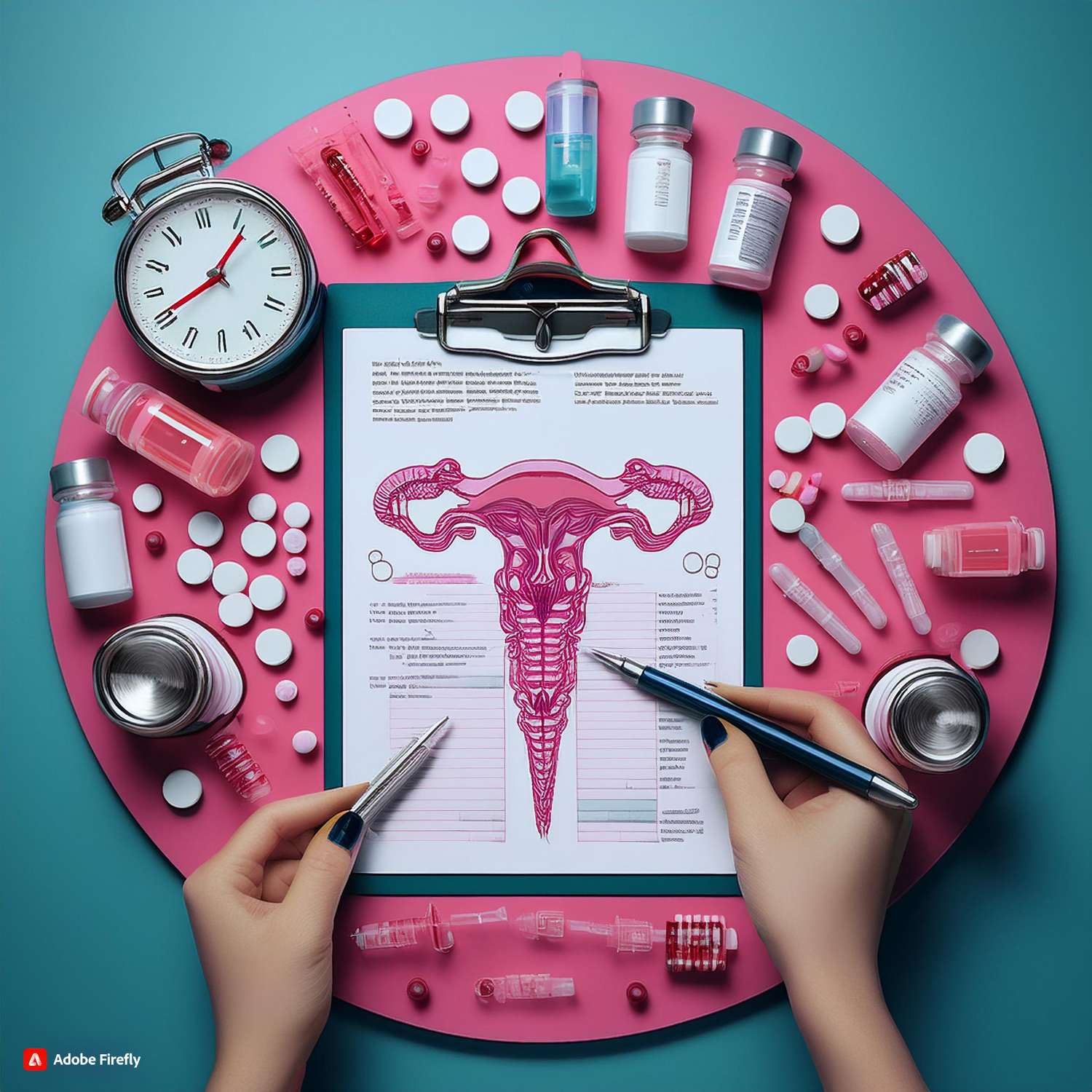
Diagnostic & Care Plan
Hormonal Mapping
Comprehensive blood tests to evaluate thyroid function, prolactin, and reproductive hormones (FSH/LH) to pinpoint imbalances.
Pelvic Imaging
High-resolution ultrasound to detect structural causes like thickened endometrium, fibroids, or ovarian cysts.
Tailored Therapy
Management options ranging from medical therapy (pills/IUCDs) to surgical interventions like hysteroscopy or laparoscopy.
Clinical Gallery
We offer a private and professional setting for the diagnosis and management of all hormonal health concerns.



Menstrual Health FAQ
Understanding what constitutes a healthy cycle and when to seek medical advice.
Bleeding is considered heavy (menorrhagia) if you need to change your pad/tampon every hour for several consecutive hours, pass large clots (bigger than a coin), or if the bleeding lasts more than 7 days and causes fatigue or anemia.
Yes. High levels of stress can interfere with the hypothalamus—the part of the brain that regulates your cycle. This can lead to delayed or missed periods. However, it is important to rule out other medical causes like PCOS or thyroid issues first.
While mild cramping is common, "normal" pain should not stop you from performing daily tasks. If pain is severe, requires high doses of medication, or gets worse over time, it could indicate conditions like endometriosis or adenomyosis that require clinical treatment.