

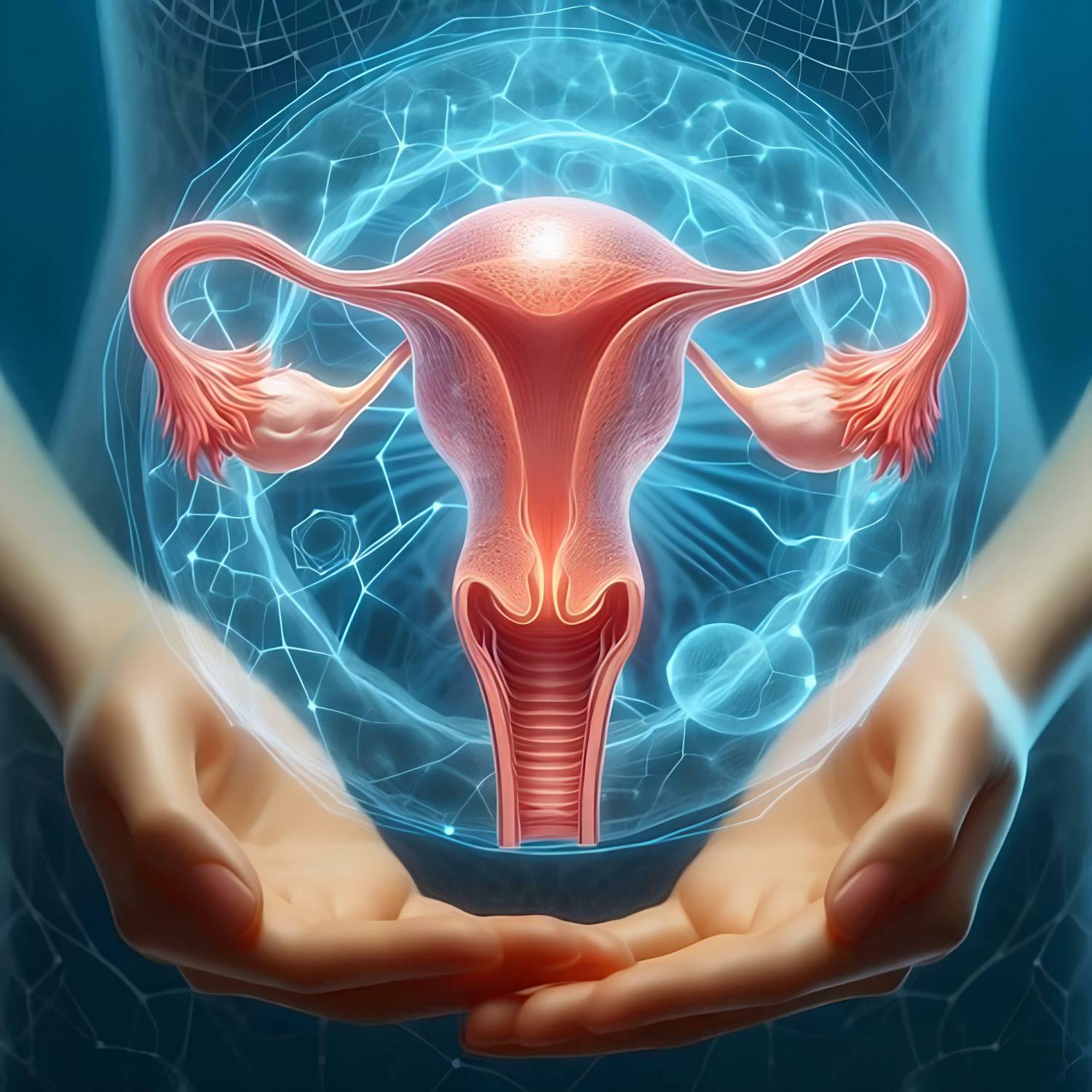
Restoring Fertility Through Microsurgery
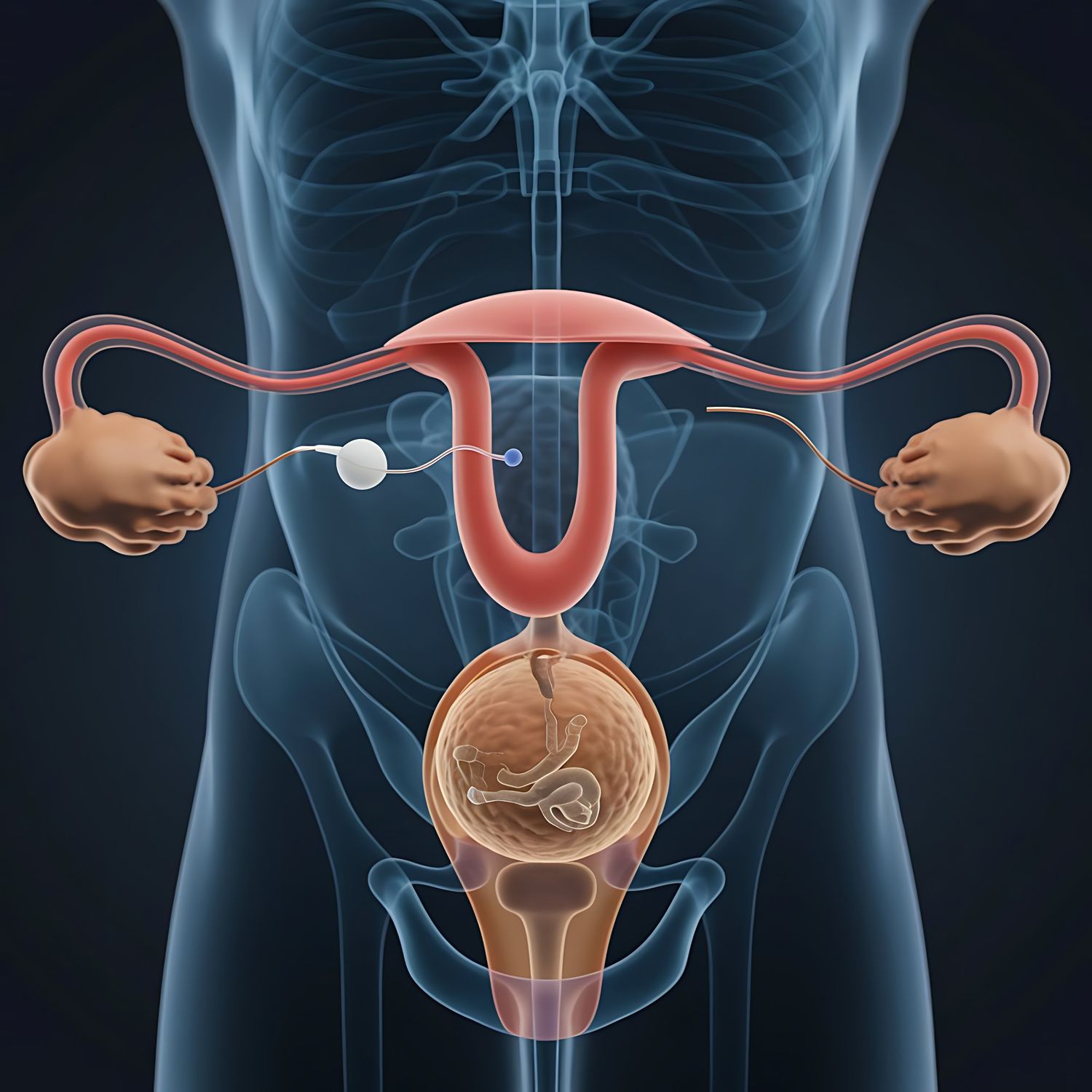
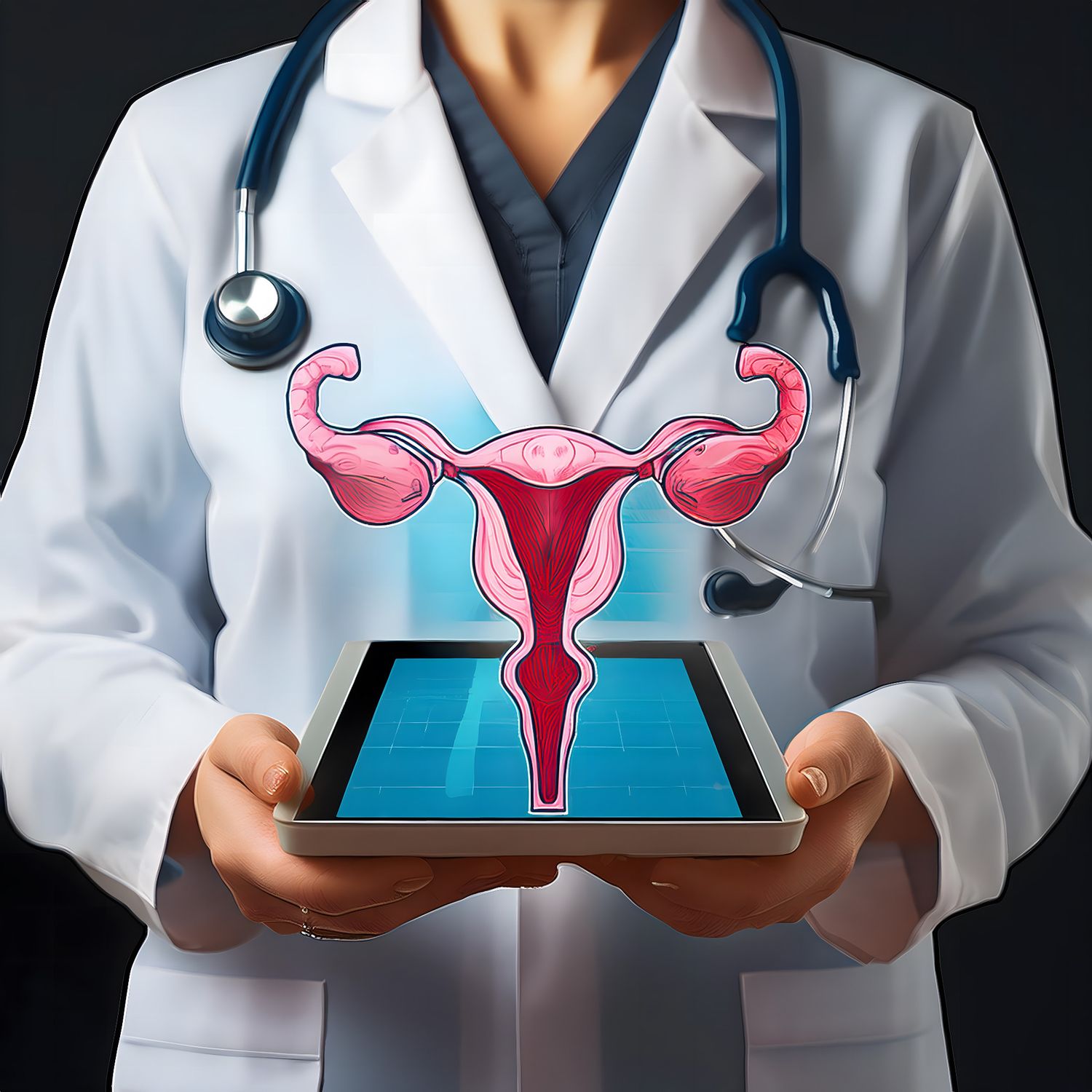
Tubal Recanalisation is a specialized surgical procedure performed to restore fertility in women who have previously undergone tubal ligation (permanent sterilization). This restorative surgery involves reconnecting the blocked or cut segments of the fallopian tubes, allowing for the natural passage of eggs and sperm. At our clinic, we utilize advanced laparoscopic and microsurgical techniques to achieve the highest possible success rates for natural conception.
Dr. Smitha evaluates each case with meticulous detail, considering the method of the original sterilization and the remaining length of the fallopian tubes. For many women, tubal reversal offers a more natural alternative to IVF, providing the opportunity to conceive multiple times without additional medical interventions.
Benefits & Success Factors
- Opportunity for Natural Conception
- Avoidance of Hormonal IVF Drugs
- Restores Permanent Fertility
- Minimally Invasive Laparoscopy
- Microsurgical Precision Suturing
- High Success for Younger Patients
- Safe Outpatient Procedure
- Personalized Fertility Assessment
- Semen Analysis Coordination
- Comprehensive Post-Op Support
- Reduced Risk of Multiple Births
- Expert Surgical Aftercare
The Restorative Path
Pre-Surgical Screening
Dr. Smitha reviews your previous operative records and performs an ultrasound to determine the viability of the tubal reversal.
Micro-Reanastomosis
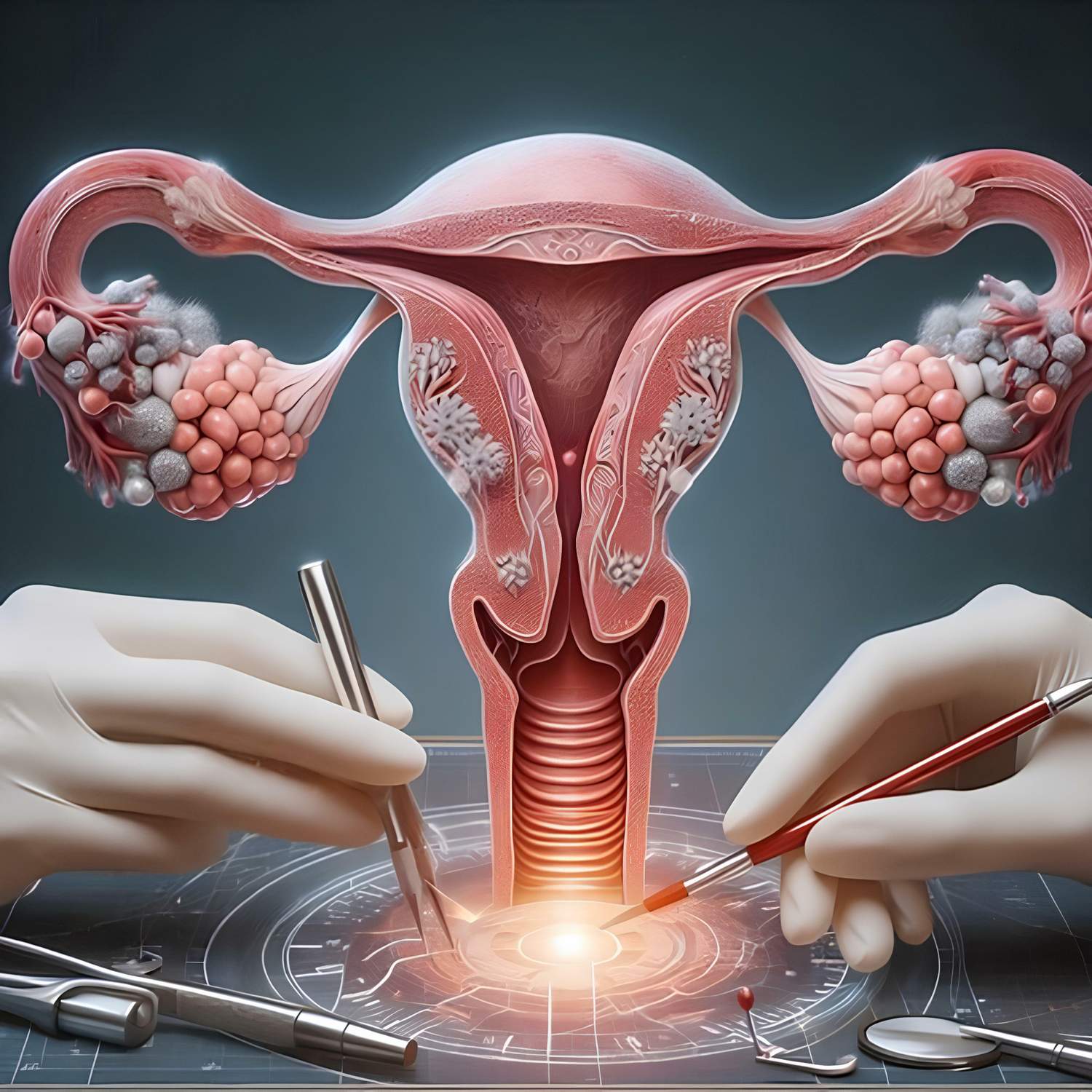
Using hair-thin sutures and magnification, the tubal segments are precisely aligned and reconnected to ensure patency.
Patency Confirmation
During or after the procedure, the tubes are tested (chromopertubation) to confirm that the pathway for the egg and sperm is open.
Clinical Gallery
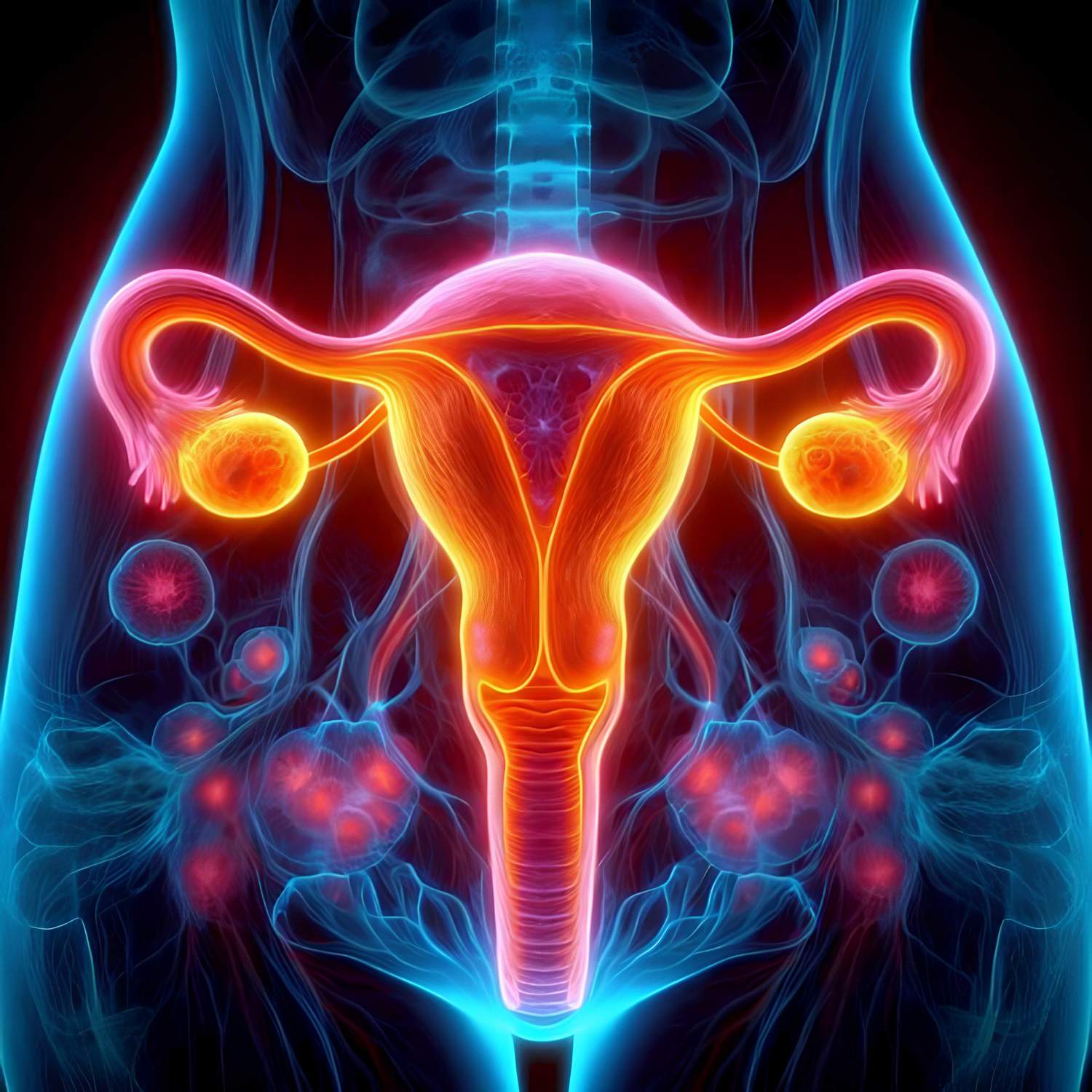
Our Moosapet surgical facility is equipped with high-magnification endoscopic cameras for delicate tubal reconstruction.
Procedure FAQ
Professional guidance on what to expect from tubal reversal surgery.
Success rates depend on factors like age, the remaining length of the tube, and the original ligation method. On average, 60% to 80% of women are able to achieve pregnancy within the first year following a successful recanalisation.
IVF bypasses the tubes entirely. Tubal recanalisation repairs your own anatomy, allowing for natural conception. It is a one-time surgery that allows for multiple future pregnancies without the need for repeated hormone injections or laboratory procedures.
There is a slightly higher risk of the egg implanting in the tube (ectopic pregnancy) compared to the general population. Because of this, we monitor our patients very closely with early ultrasounds once a pregnancy is confirmed.