


Proactive Protection for Your Future
Early detection is the most powerful tool in the fight against gynaecological cancers. Many cancers, particularly cervical cancer, are highly preventable and treatable if caught in their earliest or pre-cancerous stages. At Dr. Smitha's clinic, we provide a comprehensive suite of screening services designed to monitor your health and identify potential risks before they become serious concerns.
Our screening protocols follow international clinical guidelines, incorporating advanced laboratory testing and diagnostic imaging. We provide a supportive, confidential environment where women can discuss their family history and lifestyle factors, allowing us to create a personalized screening schedule that offers peace of mind and long-term health security.
Screening & Diagnostic Tools
- Pap Smear Testing
- Liquid-Based Cytology
- HPV DNA Testing
- Clinical Breast Examination
- Colposcopy Coordination
- Pelvic Ultrasound Screening
- Tumor Marker Tests (CA-125)
- Endometrial Biopsy
- HPV Vaccination (Cervavac)
- Ovarian Cancer Screening
- Genetic Risk Counseling
- Regular Wellness Monitoring
The Screening Process
Risk Assessment
Evaluation of your age, family history, and symptoms to determine which specific screenings are necessary for you.
Sample Collection
Quick and painless collection of cells (Pap smear) or imaging (Ultrasound) performed in our private clinical rooms.
Detailed Review
A follow-up consultation with Dr. Smitha to review your results and discuss further prevention or treatment steps.
Clinical Gallery
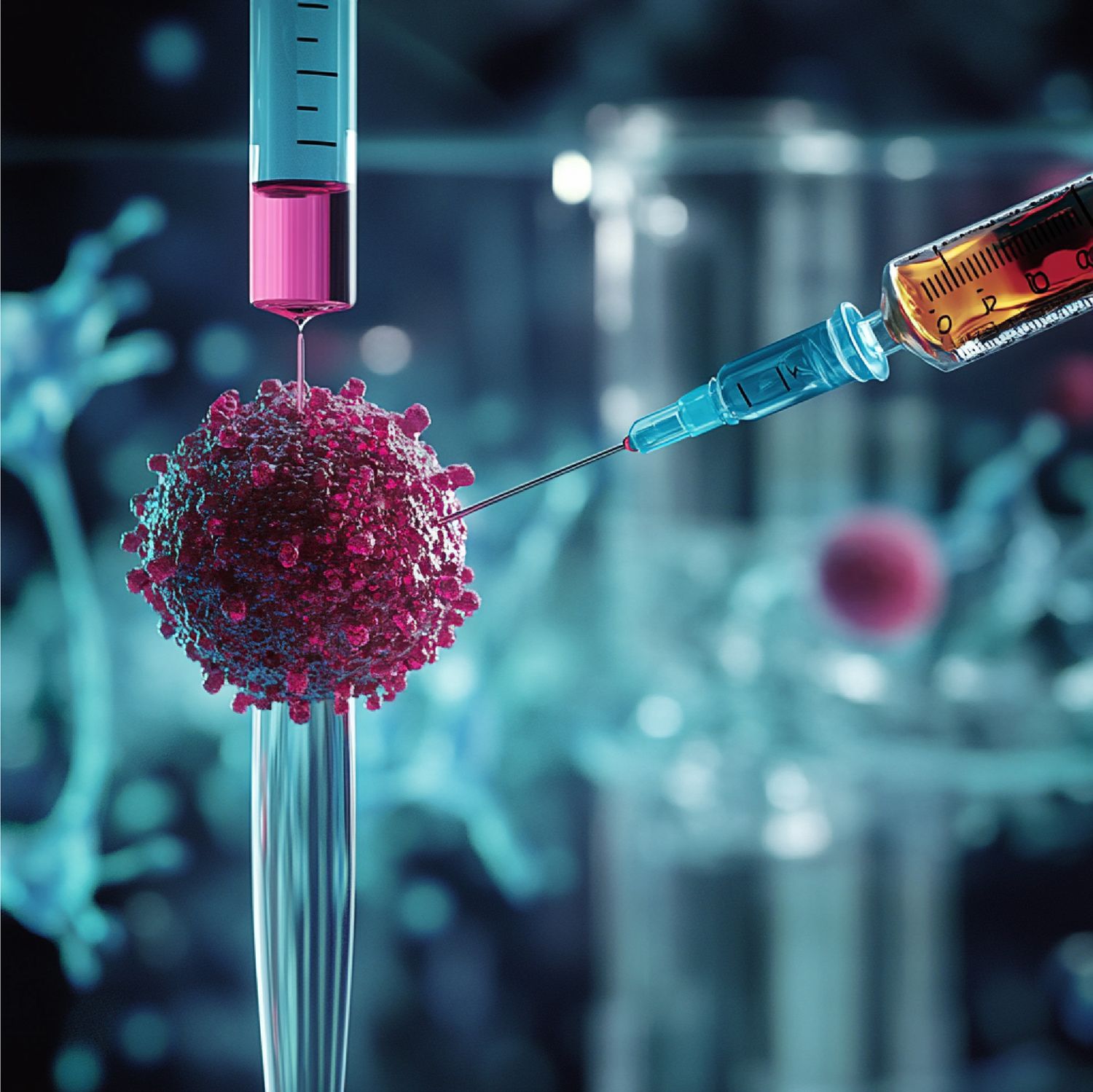
We use modern laboratory interfaces and high-resolution imaging to ensure the highest accuracy in your diagnostic reports.



Screening FAQ
Understanding the basics of gynaecological cancer prevention.
For most women between the ages of 21 and 65, a Pap smear is recommended every 3 years. If combined with HPV testing (Co-testing), the interval may be extended to every 5 years depending on your previous results and age.
The HPV vaccine significantly reduces the risk of cervical, vaginal, and vulvar cancers caused by the most common high-risk HPV strains. However, regular screening is still necessary as the vaccine does not protect against all types of HPV or other gynaecological cancers.
You should seek a consultation if you experience abnormal vaginal bleeding (between periods or after menopause), persistent pelvic pain, unusual discharge, or changes in bowel/bladder habits, as these can sometimes be early indicators.