

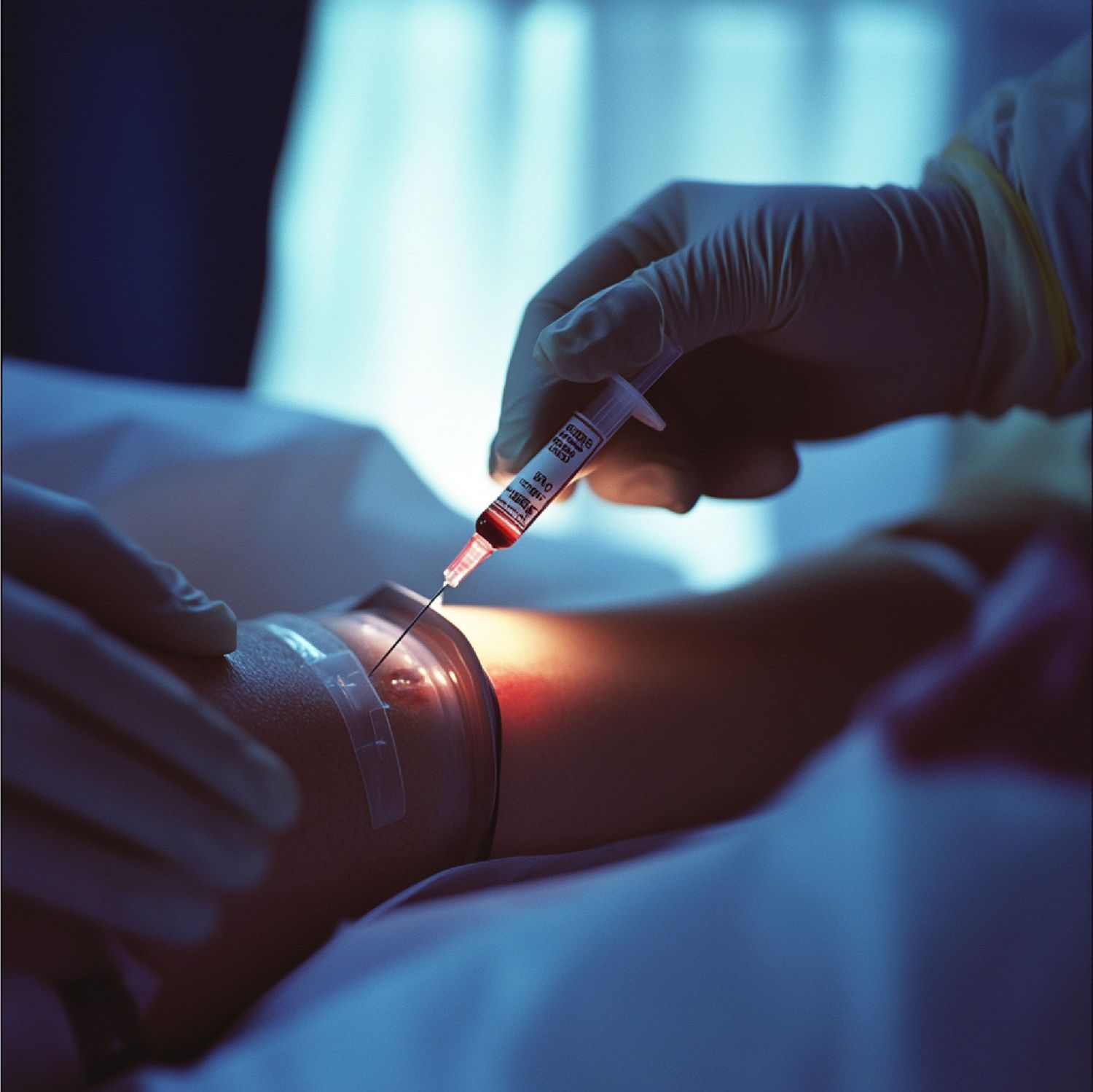
Advanced PRP Regenerative Therapy
Platelet-Rich Plasma (PRP) therapy is a cutting-edge regenerative treatment that uses your body's own growth factors to heal and rejuvenate vaginal tissue. By concentrating platelets from your own blood, Dr. Smitha can precisely inject these powerful healing agents to improve tissue health, increase sensitivity, and resolve chronic dryness.
This "biologic" approach is 100% natural, as it uses no synthetic chemicals or hormones. PRP therapy is particularly effective for women seeking a natural solution for Vaginal Atrophy, Lichen Sclerosus, or enhanced sexual fulfillment through the O-Shot procedure. It works by stimulating new blood vessel growth and collagen formation deep within the tissue layers.
Benefits of PRP Therapy
- 100% Natural & Autologous
- No Risk of Allergic Reaction
- Increases Blood Circulation
- Boosts Sexual Sensitivity
- Reduces Chronic Inflammation
- Accelerates Tissue Repair
- Effective for Lichen Sclerosus
- Non-Hormonal & Safe
- Minimal Discomfort
- Improves Natural Lubrication
- Safe Post-Cancer Treatment
- Long-lasting Regeneration
The PRP Process
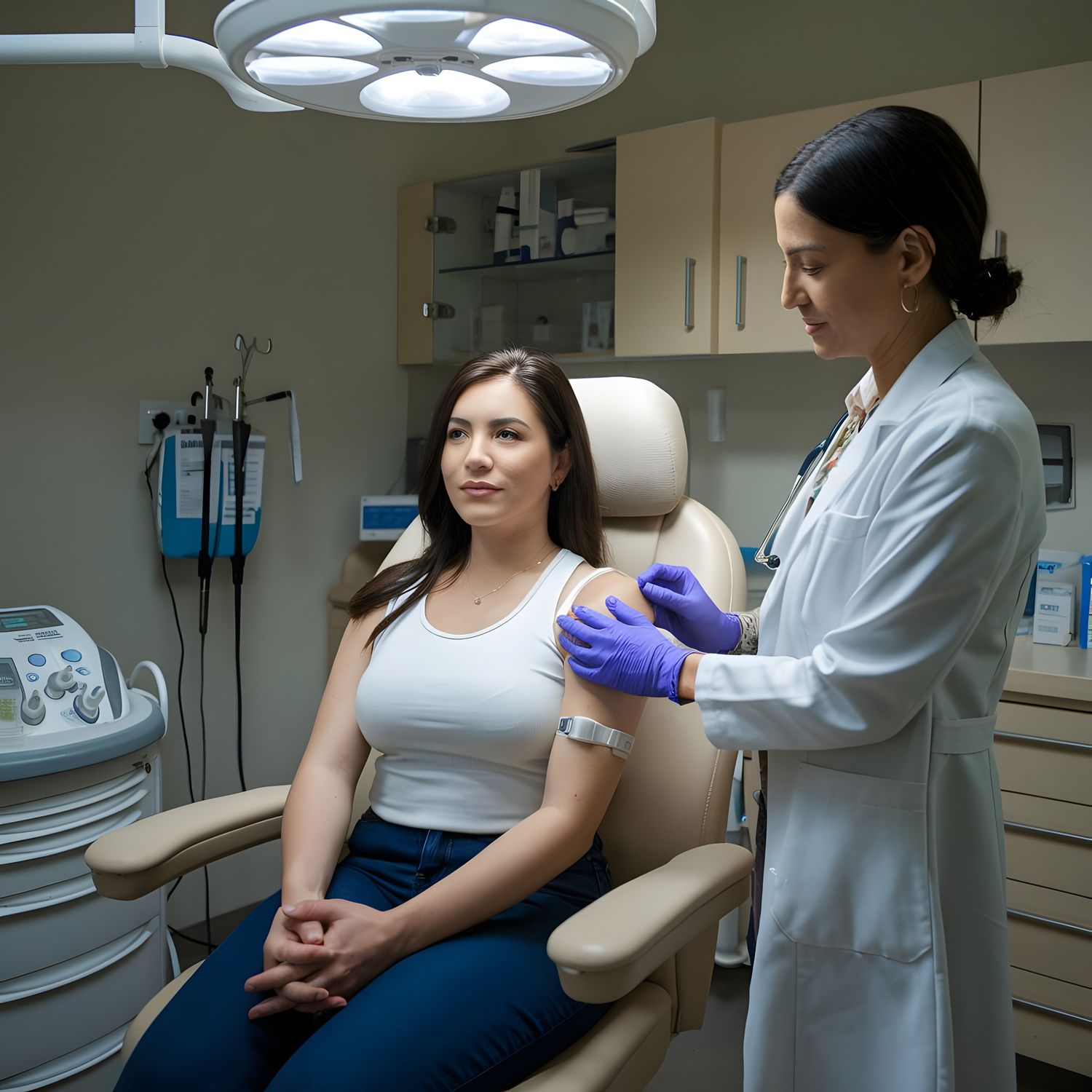
Blood Collection
A small amount of blood is drawn, similar to a routine lab test, in our sterile clinical environment.
Centrifugation
The blood is spun in a specialized centrifuge to isolate and concentrate the healing platelets and growth factors.
Precise Injection
Dr. Smitha carefully injects the concentrated PRP into the targeted areas using fine needles for maximum comfort.
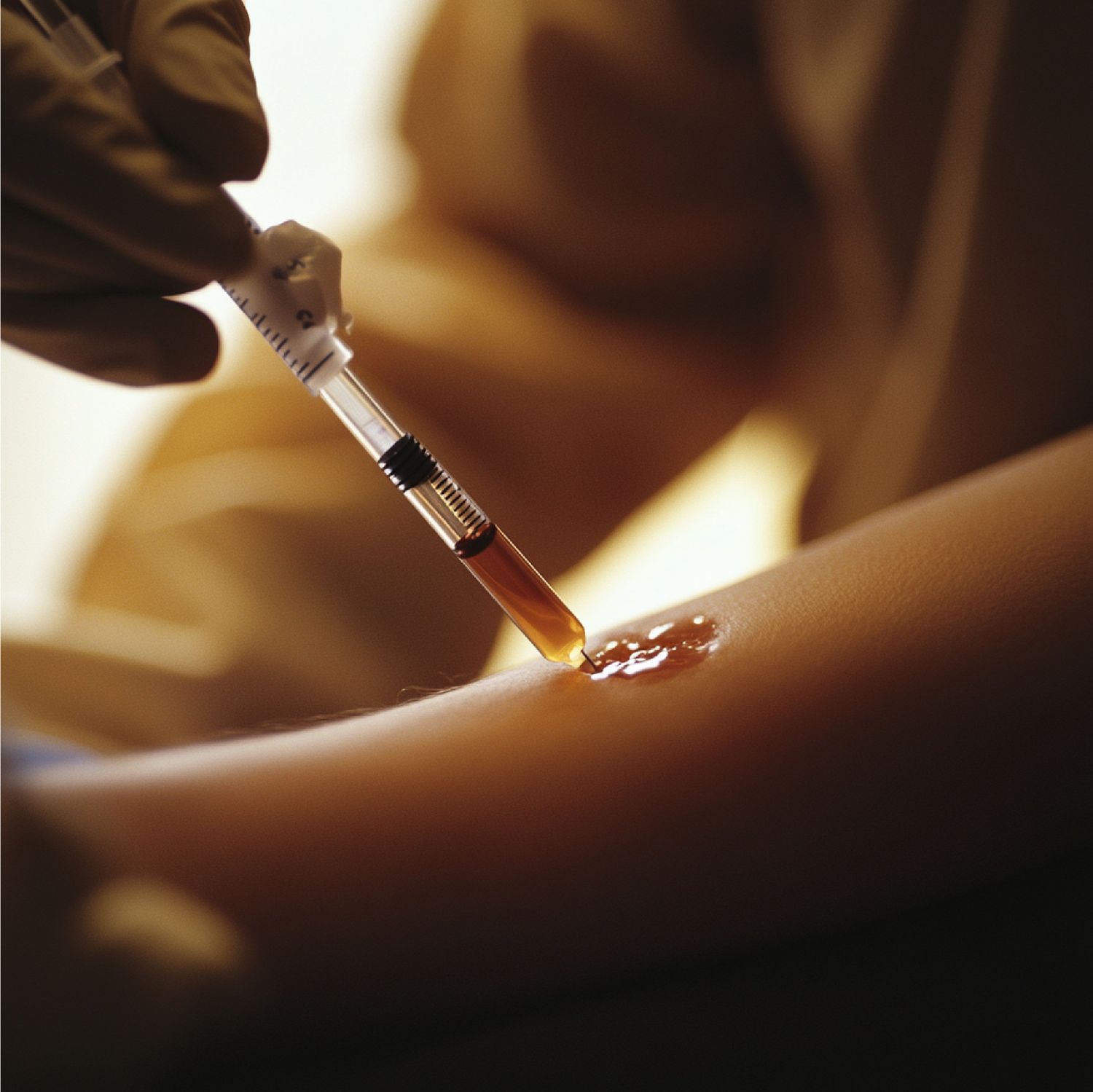
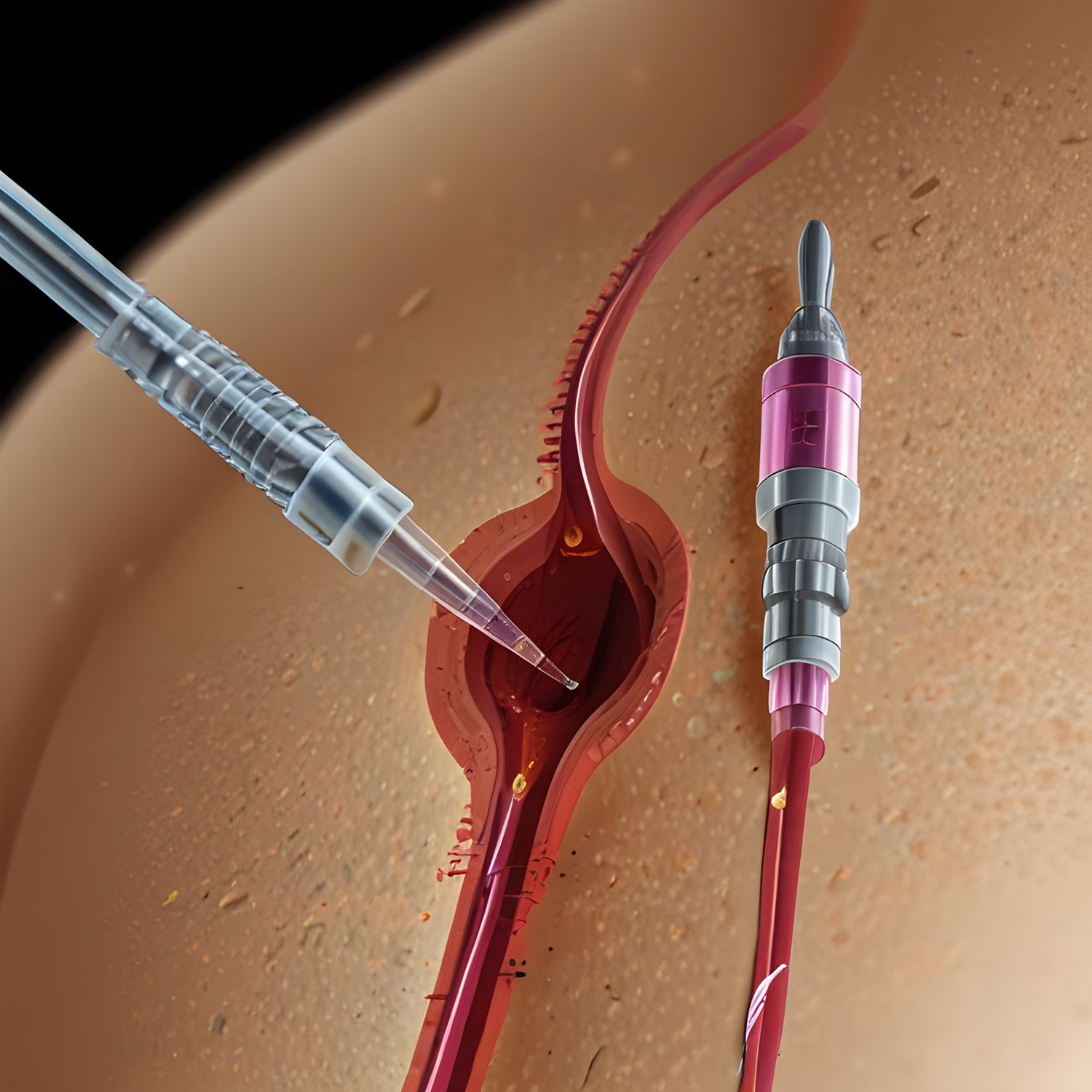
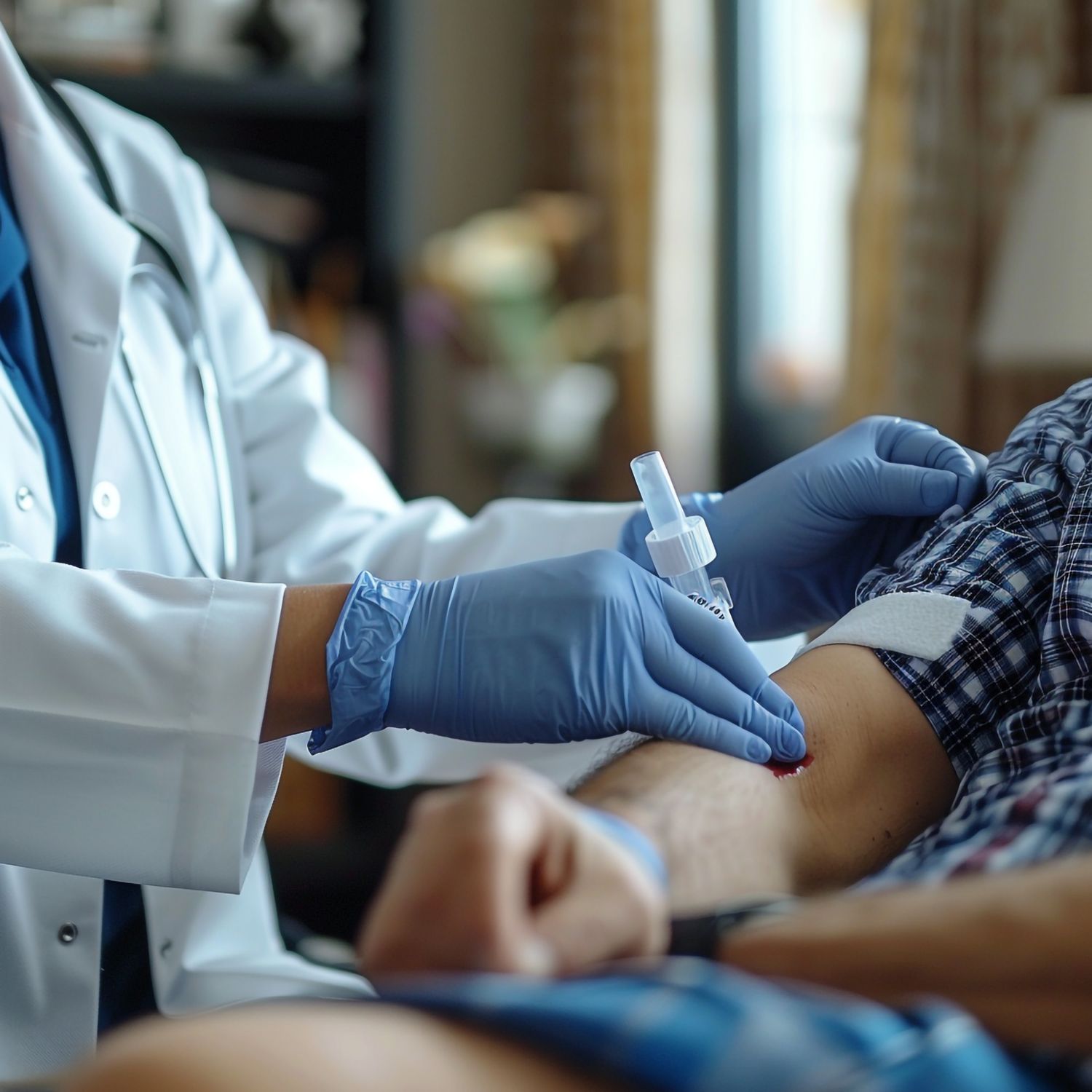
PRP Treatment Gallery
Our clinic utilizes advanced processing technology to ensure the highest concentration of platelets for optimal clinical results.
PRP Therapy FAQ
Discover how your own body can provide the ultimate solution for gynaecological rejuvenation.
Yes. Because PRP uses your own blood and contains no hormones, it is often a preferred regenerative option for breast cancer survivors who cannot undergo traditional oestrogen therapy for vaginal dryness.
The regeneration process begins immediately at a cellular level. Most patients report a noticeable improvement in tissue sensitivity and lubrication within 3 to 4 weeks, with results continuing to improve over several months.
Dr. Smitha uses a strong topical numbing cream before the procedure. Most patients experience very little discomfort, often describing it as a quick "pinch" or pressure.